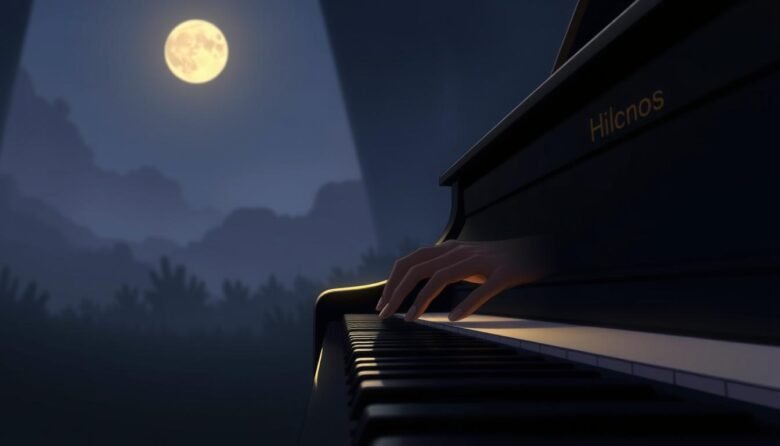
Have you ever watched a film where a quiet, emotional part just sticks with you? The feeling often comes from the soundtrack. A specific type of composition can make those parts unforgettable.
Filmmakers and composers have long understood this powerful tool. They use it to connect with the audience on a deeper level. These compositions create a space for reflection and genuine feeling.
This exploration looks at why this creative choice is so effective. We will see how certain sounds communicate complex feelings without any words. The result is a shared experience that resonates long after the story ends.
From classical works to modern scores, the principle remains the same. The right audio can turn a simple moment into a powerful memory. It’s an art form that blends sight and sound to touch the heart.
Key Takeaways
- Soundtracks are a key tool for deepening the emotional impact of visual stories.
- Specific compositions can communicate complex feelings without dialogue.
- This technique creates a lasting connection between the audience and the narrative.
- The approach is used across various media, from film to theater.
- It transforms simple scenes into memorable, impactful experiences.
- The collaboration between directors and composers is essential for this effect.
Understanding the Power of Melancholy in Music
The capacity of a soundtrack to evoke a deep sense of feeling is rooted in complex psychological principles. Certain compositions have an extraordinary ability to tap into our deepest emotions. They create profound responses in listeners across cultures and generations.
This specific mood is more than simple sadness. It’s a complex blend of reflection, nostalgia, and even beauty. This complexity makes it perfect for dramatic storytelling, offering a sorrowful yet comforting experience.
Our brains react to these sounds in fascinating ways. Neurologically, they can trigger the release of neurotransmitters that provide comfort. This offers a form of catharsis during challenging moments.
Historically, this artistic emotion has always held a special place. From Renaissance melancholia to Romantic-era works, its power to express grief and loss is timeless. Composers harness this tool to create lasting impressions and validate our own experiences.
Setting the Scene with Slow and Thoughtful Piano Pieces
When filmmakers want to create space for emotional resonance, they often turn to measured, expressive keyboard performances. The deliberate tempo of these arrangements allows viewers to fully absorb what’s happening on screen.
Each note gets room to breathe in these compositions. This spacing between sounds gives performers freedom to add personal interpretation. It also lets audiences connect more deeply with the emotional content.
The choice of a gentle melody provides a foundation for dramatic scenes. Simple harmonies create mood without overwhelming complexity. This approach works well for moments requiring contemplation.
Terms like “adagio cantabile” guide performers toward a singing quality. These expressive melodies become essential tools for directors. They help establish atmosphere before characters even speak.
A well-placed piano piece can underscore silent realizations. It gives weight to characters processing significant life changes. This careful craftsmanship turns simple moments into powerful memories.
The Art and Emotion Behind Dramatic Soundtracks
The silent partnership between moving images and carefully crafted compositions creates moments that resonate across cultures. These scores function as invisible narrators, guiding audience feelings without spoken words. They communicate what characters often leave unspoken.
The beauty of this approach lies in its universal language. Well-composed dramatic music transcends barriers, speaking to shared human experiences. People around the world connect through these emotional responses.
Composers face the challenge of capturing complex feelings through sound. They balance technical precision with raw emotion, knowing when silence speaks louder than notes. This restraint creates powerful dramatic impact.
Certain musical elements form an emotional vocabulary. Minor keys and suspended harmonies convey specific feelings that composers expertly employ. This craftsmanship supports narratives without overwhelming them.
Understanding this artistic process deepens our appreciation for storytelling. The invisible craft shapes our media experiences, connecting us to stories on profound levels.
melancholy, piano music, slow scenes: A Key to Emotional Depth
Some of cinema’s most unforgettable moments share a common emotional blueprint. This powerful combination creates a direct pathway to the viewer’s heart. The three elements work together to build profound connection.
Each component serves a distinct purpose in this creative formula. The reflective mood provides the emotional color palette. Gentle keyboard performances offer the perfect instrumental voice. Paced sequences give audiences time to process complex feelings.
This approach has become essential for genuine storytelling. It transforms surface-level plot points into meaningful character development. The result is authentic human experience rather than manufactured drama.
The intimate quality of keyboard arrangements creates personal connection. Unlike full orchestras, these pieces feel like private conversations. This directness enhances the sense of emotional truth.
Creators can access countless shades of human experience through this method. The approach honors the complexity of genuine feeling. It remains one of storytelling’s most reliable tools for depth.
Exploring Classical Pieces That Capture Heartfelt Emotions
Throughout history, classical compositions have uniquely captured the full spectrum of human feeling. These works provide a rich emotional vocabulary that filmmakers and audiences alike treasure.
The classical repertoire spans centuries of artistic expression. From Baroque intricate patterns to Romantic era passion, each period offers distinct emotional colors. This variety gives creators endless options for storytelling.
Certain classical pieces remain relevant because they tap into universal experiences. Love, loss, and hope translate across time and culture. Their emotional honesty resonates with modern listeners just as powerfully.
A strong melody can lodge in memory for years. Harmonic tension and release mirror our own emotional journeys. These elements make classical works perfect for dramatic moments.
Familiarity with this repertoire enriches our viewing experiences. Knowing a composer’s background adds layers of meaning. It connects us to centuries of artistic expression.
Understanding classical music’s emotional language helps us appreciate its use in media today. These timeless pieces continue to speak to the heart across generations.
The Enduring Legacy of Beethoven’s Moonlight Sonata
Few compositions in history hold as much immediate emotional recognition as the Moonlight Sonata. This iconic piece by Ludwig van Beethoven has become a universal symbol for deep feeling. Its influence stretches far beyond the concert hall.
The work’s official title is Piano Sonata No. 14 in C-sharp minor. The nickname “Moonlight” was given later by a poet named Ludwig Rellstab. He imagined moonlight on a lake, capturing the movement‘s serene and somber mood.
Adagio Sostenuto: The Heart of Moonlight Sonata
The first movement, “Adagio sostenuto,” is the most famous part. Its haunting melody seems to float gently above a steady, flowing accompaniment. This creates an atmosphere of deep thought and reflection.
Performers face a great challenge with this piece. They must control the dynamics and tempo perfectly. Every note must be played with feeling to convey the emotion Ludwig van Beethoven intended.
Beethoven’s Innovative Use of Dynamics
Beethoven was a master of using volume changes for emotional effect. In this sonata, he treats dynamics as an essential storytelling tool. Subtle shifts in loudness and softness build the entire mood.
This innovative approach was revolutionary for piano writing at the time. It showed how the instrument could express complex human emotions. The movement for Piano Sonata No. 14 remains a masterclass in expressive playing.
Its timeless quality ensures this piano work continues to move audiences. It proves that true artistry can communicate across centuries.
Chopin’s Masterpieces: Funerals, Nocturnes, and More
Frédéric Chopin carved a unique space in the world of composition, crafting works that feel like intimate conversations with the soul. His creations possess an immediate emotional clarity that resonates deeply. This composer had a gift for translating complex feelings into beautiful sound.
We will explore two of his most profound works. These pieces have become essential tools for expressing deep emotion in storytelling.
Funeral March: Mourning in Melody
The third movement of his Piano Sonata No. 2 in B minor is famously known as the “Funeral March.” This piece embodies universal themes of loss and sadness. Its solemn rhythm and dark harmonies create a powerful sense of farewell.
The main melody is instantly recognizable across cultures. It speaks of mourning without needing a single word. This song of sorrow has become a cultural touchstone for grief.
Chopin’s Nocturne in C-sharp minor offers a more reflective shade of emotion. This nighttime song features a hauntingly beautiful tune. Its complex harmonies require great sensitivity from the performer.
The use of rubato gives each performance a personal, improvisatory quality. Dynamic control is crucial for expressing the true emotional depth. This ensures the piece remains authentically powerful.
Chopin’s Sonata No. 2 and his nocturnes show his genius for emotional expression. They remain timeless references for heartfelt storytelling.
Interpreting Rachmaninoff and Debussy’s Melancholic Themes
Sergei Rachmaninoff and Claude Debussy approached feeling through entirely different musical lenses. Their works demonstrate how varied techniques can achieve similar emotional impact.
The Lyrical Journey in Piano Concerto No. 2
The second movement of Rachmaninoff’s Piano Concerto No. 2 showcases the composer’s gift for emotional storytelling. Rich harmonies and lyrical piano lines create a beautiful balance between sadness and hope.
This movement stands as one of the most beloved pieces in the Romantic repertoire. The interplay between solo instrument and orchestra mirrors complex human experiences.
Claude Debussy’s “Clair de Lune” takes a fundamentally different approach. This Impressionist masterpiece uses delicate textures and flowing harmonies to create dreamlike atmospheres.
The composition captures moonlight’s tranquil beauty through subtle dynamic changes. Debussy’s innovative use of harmony opened new possibilities for emotional expression.
Both composers created essential tools for dramatic scoring. Their works offer filmmakers varied approaches to crafting authentic emotional moments.
Contemporary Takes: From John Legend to Green Day
From pop ballads to rock adaptations, modern keyboard arrangements carry the same emotional weight as classical pieces. Today’s artists demonstrate that heartfelt expression through keyboard works transcends time periods. They create compositions that resonate with contemporary audiences while maintaining deep emotional authenticity.
John Legend’s “All of Me” stands as a powerful modern love song built around keyboard instrumentation. This composition balances passionate intensity with reflective depth, making it perfect for dramatic moments. Its popularity in media shows how contemporary piano songs can achieve the same impact as historical works.
Elton John’s “Your Song” represents a bridge between musical eras. The original version from 1967 combines pop accessibility with genuine emotional sincerity. Its enduring popularity proves that keyboard-driven ballads can become timeless emotional touchstones.
Green Day’s “Good Riddance (Time of Your Life)” reveals how keyboard adaptations can transform a song’s emotional character. The keyboard version emphasizes introspection and nostalgia around life transitions. It shows how familiar songs gain new depth through keyboard interpretation.
These contemporary works share important qualities with classical compositions. They feature memorable melodies that create instant connection. Their production highlights the intimate relationship between performer and instrument. This approach ensures each generation contributes fresh voices to emotional storytelling.
The Role of Minimalist Compositions in Modern Soundtracks
Modern soundtracks often embrace a ‘less is more’ philosophy that creates powerful emotional impact through restraint. This approach values space and simplicity over complexity. It allows visual storytelling to breathe without overwhelming musical accompaniment.
Minimalist pieces work particularly well in contemporary filmmaking. They provide emotional context without dictating specific interpretations. This subtle approach resonates with audiences seeking authentic experiences.
Satie’s Gymnopédies: Simplicity in Sound
Erik Satie’s Gymnopédie No. 1 embodies the essence of simplicity and contemplation. The repeated gentle melody creates a calm and reflective atmosphere. This work invites listeners into a meditative space.
The composition’s timeless quality makes it popular across many decades and genres. Its sparse harmonies allow the melody to shine brightly. The slow tempo and repetitive structures create hypnotic effects.
This piece demonstrates how requiring fewer keys and simpler techniques can achieve direct connection. The strategic use of silence becomes an expressive element equal to sound. It proves that profound emotional impacts come from simplicity.
Crafting Emotions: The Interplay of Piano and Orchestration
When a single instrument dialogues with a full orchestra, a special kind of magic happens in emotional expression. This partnership creates rich layers of feeling that neither could achieve alone. The arrangement becomes a conversation between intimacy and grandeur.
A beautiful melody might begin with the soloist, then flow seamlessly to the string section. This call-and-response technique mirrors our own emotional exchanges. The orchestra can amplify what the individual instrument expresses.
In film scoring, this interplay serves powerful dramatic purposes. The keyboard often represents a character’s inner world. Meanwhile, the ensemble provides context or external pressures. This creates multi-layered storytelling.
The best composers understand emotional pacing. They know when to let the solo voice stand alone. They also know when to bring in supporting instruments for maximum impact. This careful calibration makes the music feel authentic and moving.
By understanding this instrumental dialogue, we appreciate the sophisticated architecture behind emotional moments. What seems like simple emotion is actually carefully crafted artistry. The interplay between forces creates unforgettable experiences.
Filmmakers and Composers: A Collaborative Symphony of Sadness
Creating the perfect emotional tone in film is a delicate dance between vision and sound. Directors and composers work together to find the right feeling for each scene. Their partnership shapes how audiences connect with the story.
The process often begins with early conversations about the film’s emotional core. Directors share their vision while composers listen for musical possibilities. This initial dialogue sets the stage for the entire score.
Spotting sessions are crucial meetings where specific musical moments are planned. The team decides where music will enhance the narrative. This careful planning ensures that every note serves the story.
A great composer brings their unique ability to translate emotions into sound. They must balance supporting the director’s vision with their artistic input. The best collaborations create something neither could achieve alone.
The choice between original compositions and existing works is significant. Each option offers different advantages for emotional storytelling. This decision impacts how viewers around the world experience the film’s most powerful moments.
Long-term partnerships often produce the most nuanced results. Familiarity allows for deeper communication and trust. These relationships become a shared language of emotional expression.
The Influence of Piano Arrangements in Emotional Storytelling
Behind every powerful moment in film lies a deliberate choice in how the composition is presented. The specific arrangement of a piece fundamentally shapes the audience’s emotional journey.
Different styles of arrangement offer unique storytelling possibilities.
A solo performance creates intimacy, letting the melody speak directly. In contrast, an arrangement with an orchestra adds layers of depth and grandeur.
Orchestral Arrangements: Amplifying the Mood
Adding orchestral elements to a composition can dramatically amplify its emotional impact. The orchestra provides rich harmonic support and textural variety.
Composers make strategic decisions about which instruments to feature. The goal is to enhance the mood without overwhelming the core emotional message.
Key Changes and Musical Timing
Technical elements like key changes and timing are powerful tools. A shift to a different key can signal a major emotional turn in the narrative.
Variations in tempo create tension and release, guiding the viewer’s feelings. This careful interpretation of timing ensures the arrangement supports the story’s movement.
Understanding these elements allows creators to select the perfect arrangement for each dramatic moment.
Techniques for Interpreting Melancholy with Authenticity
What separates a technically correct performance from one that truly moves an audience? The answer often lies in the artist’s ability to connect with the piece on a personal level. This personal connection is what makes an interpretation feel genuine.
A key technique is rubato. This means gently pushing and pulling the tempo to add natural feeling. It creates a sense of breathing and spontaneity. This flexibility is essential for an authentic interpretation.
Dynamic control is another powerful tool. A skilled pianist uses volume changes to express different shades of emotion. It’s not just about loud and soft. It’s about telling a story through sound.
The physical touch of the pianist also matters greatly. A sensitive touch can create a warm, singing tone. This connects the players directly to the listener’s heart.
Great performers find a balance. They respect the composer’s intentions while adding their own experiences. This emotional vulnerability is what separates competent players from truly moving artists.
Expanding Horizons: Lessons from Both Classical and Modern Pieces
The study of emotional compositions across different eras offers a comprehensive musical education that enriches both technical and expressive abilities. Both classical and contemporary works provide unique lessons for developing musicians.
Classical piano pieces from the traditional classical music repertoire teach fundamental structure and harmonic sophistication. These works have stood the test of time, offering proven value for players at all levels.
Modern compositions offer direct emotional communication and accessibility. They connect players to contemporary cultural contexts with more approachable technical demands.
Teachers often recommend these pieces because they safely explore complex feelings. Many beloved works exist at multiple levels of difficulty, allowing growth over time.
The interplay between major and minor modes creates rich emotional depth in these piano pieces. Understanding this technical element helps players appreciate how composers craft feeling.
Studying both eras creates versatile musicians who understand emotional expression across the world. This comprehensive approach makes part of any complete musical education.
Reflecting on the Journey: A Parting Note on Musical Emotion
Our journey through the landscape of heartfelt sound reveals a universal truth. These compositions speak a universal language that connects us across time and culture.
From timeless sonatas to contemporary ballads, they give voice to profound feelings. They honor experiences of love, loss, and quiet beauty.
This art form provides a companion for life’s most significant moments. It offers solace during times of grief and validates our deepest emotion.
We extend gratitude to the artists who craft these powerful experiences. Their work helps us understand the full spectrum of human feeling.
The enduring power of this music lies in its honest expression. It remains a gift to the world, a testament to the beauty of shared experience.