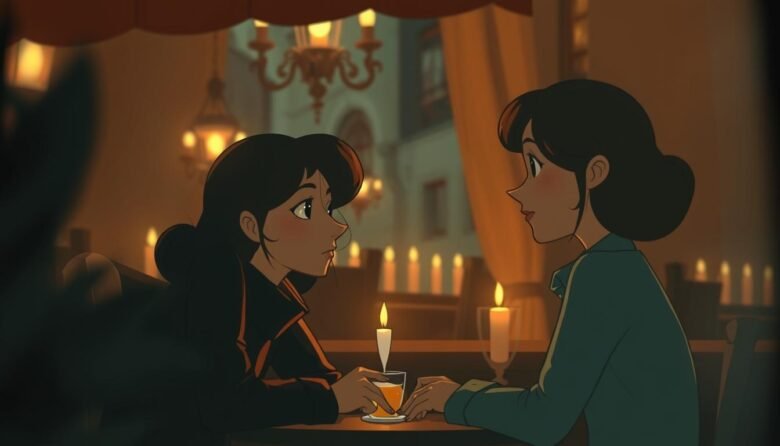
There’s something truly special about European cinematic storytelling that keeps audiences coming back for more. These productions have a unique way of drawing viewers into their world, creating experiences that linger long after the credits roll.
What sets these films apart is their remarkable blend of visual poetry and emotional depth. Unlike many mainstream movies, they prioritize character development over fast-paced action. Every frame feels carefully composed, with meaning hidden in the smallest details.
The storytelling approach rewards patient viewers who appreciate sophistication. These films create immersive experiences where atmosphere and subtlety take center stage. They’ve become benchmarks for quality entertainment worldwide.
Throughout this article, we’ll explore what makes these productions so distinctive. From technical mastery to cultural elements, you’ll discover why they’ve earned such stellar reputations. Whether you’re new to this genre or a longtime fan, there’s always more to appreciate.
Key Takeaways
- European cinematic storytelling emphasizes subtlety and emotional depth over spectacle
- Character development and atmosphere are prioritized in these sophisticated narratives
- Every visual element carries meaning, creating immersive viewing experiences
- These productions have influenced global cinema with their distinctive approach
- Patient viewers are rewarded with deeply satisfying and memorable stories
- The blend of visual poetry and intellectual complexity sets these films apart
- Cultural elements and technical mastery contribute to their unique appeal
A Journey into the World of French Dramas
The journey through cinematic history reveals fascinating developments in European storytelling. Over many years, these productions have crafted a unique approach to drama. They focus on emotional truth rather than spectacle.
This tradition draws from rich literary sources. Many great books have inspired these visual narratives. The way these stories unfold shows deep respect for the audience’s intelligence.
Throughout time, these productions have reflected contemporary life. They serve as cultural mirrors while exploring universal themes. This dual purpose gives them lasting appeal across generations.
Many international stars have been drawn to these sophisticated projects. They appreciate the depth of character development. The emphasis on authentic human experiences creates powerful connections.
These dramas balance artistic integrity with entertainment value. They prove that substance can attract devoted audiences. This approach has influenced filmmakers worldwide.
The evolution continues with modern streaming platforms. They introduce these quality productions to new viewers. This ensures the legacy will endure for years to come.
Exploring this cinematic tradition enriches our understanding of storytelling. It offers a refreshing alternative to mainstream entertainment. The journey provides both intellectual and emotional rewards.
The Subtle Aesthetics that Define French Storytelling
The visual language of European cinema creates a unique connection with viewers through its distinctive approach. Cinematographers develop a special relationship with their audience over time. They understand how to make every scene feel like an integral part of the larger narrative.
Cinematic Techniques and Visual Poetry
Many famous stars choose these productions for their artistic depth. The camera work feels like poetry in motion. Long takes allow viewers to absorb emotional weight naturally.
This way of filming brings authenticity to every moment. The pacing respects the audience’s intelligence. You become immersed in the character’s life experiences.
Elegant Use of Color and Light
Color palettes serve as emotional guides rather than mere decoration. Directors use lighting to highlight symbolic elements subtly. The visual choices always support the storytelling.
These techniques have influenced filmmakers worldwide. International stars appreciate the sophisticated approach. The attention to detail makes each production memorable.
This visual philosophy elevates simple stories into art. It’s why audiences keep returning to these quality dramas. The careful craftsmanship creates lasting impact.
french romance, mystery, aesthetics in Storytelling
European storytelling excels at blending deep emotional connections with captivating puzzles. This approach creates rich, layered narratives that feel authentic and engaging.
Classic literature has long explored this blend. Works like Marguerite Yourcenar’s “Memoirs of Hadrian” demonstrate how love stories can unfold against grand historical backdrops. These books set a high standard for emotional depth.
Stendhal’s “The Charterhouse of Parma” shows how personal desire often clashes with social expectations. The characters’ journeys are as much about self-discovery as they are about external events.
Modern productions continue this tradition. They understand that real relationships are never simple. There are always hidden layers and unspoken truths.
This method creates a special kind of tension. Viewers become invested in both the emotional arc and the unfolding puzzle. The resolution feels earned because it respects the complexity of human experience.
Françoise Sagan’s “Bonjour tristesse” exemplifies this perfectly. It explores youthful passion with a sharp, knowing eye. The story stays with you long after you’ve finished it.
Complex Characters and Intricate Narratives
At the core of every memorable European production are the intricate people who inhabit its world. These characters are not simply plot devices but fully realized individuals. Their complexities drive the story forward in a deeply organic way.
Relatable Protagonists with Deep Backstories
We connect with protagonists because their pasts feel authentic. A character’s present actions are often shaped by earlier events in their life. This creates a powerful sense of cause and effect.
Writers spend time building rich histories for their main characters. This makes their choices believable and compelling. We understand why they act the way they do.
The Role of Flawed Anti-Heroes
Many great stars are drawn to roles that explore moral gray areas. These characters make questionable decisions yet remain sympathetic. Their struggles reflect universal human weaknesses.
This approach moves beyond simple hero-villain dichotomies. It presents people as multifaceted, containing both strength and vulnerability. Viewers often see a part of themselves in these figures.
The narrative unfolds from this psychological depth. Plot points feel inevitable, not forced. This rewards patient viewers with profound insights into human nature.
Parisian Settings: The Heart of French Dramas
Paris is more than just a backdrop in these productions. The city itself becomes a central character. Its energy and history shape every scene.
Filmmakers masterfully use the urban landscape. They showcase both famous landmarks and quiet, hidden corners. This approach reveals the city’s true soul.
Iconic Landmarks and Hidden Corners
Author Cara Black describes discovering the Marais district. She recalls standing amid 16th-century hôtels particuliers, surrounded by “luxurious decay.” The sound of royal fountains from the Place des Vosges filled the air.
History is present on every corner. A 16th-century arch might bear a plaque for a Resistance fighter. Roman statuary can sit near a modern computer shop.
This layering of time makes the city feel alive. The streets tell stories of the past and present. They are stages for dramatic encounters.
Big stars often film in these authentic locations. They appreciate the genuine atmosphere. The city’s city light changes the mood of a scene completely.
Directors capture the unique personality of each neighborhood. From Montmartre’s artistic vibe to Belleville’s multicultural energy. Each place adds a distinct texture.
This place represents both reality and fantasy. It’s a living, breathing life force. The streets provide intimacy and grandeur.
Viewers get a real sense of the city. They see beyond the tourist spots. The result is a more immersive and believable experience.
Historical Influences and Literary Inspirations
Books from past eras continue to inspire contemporary visual media. These written works established narrative patterns that filmmakers still draw upon today. The connection between page and screen remains strong.
Centuries of literature created templates for character development and thematic exploration. Each generation of storytellers builds upon what came before. This creates a rich tapestry of interconnected narratives.
From Marguerite Yourcenar to Stendhal
Marguerite Yourcenar’s historical novels demonstrate remarkable scope across years. Her book “Memoirs of Hadrian” explores a ruler’s intimate thoughts. This approach blends personal reflection with grand historical events.
Stendhal’s “The Charterhouse of Parma” established psychological realism. The author crafted complex characters facing moral dilemmas. His work influenced countless creators over time.
The detective fiction tradition also left its mark. Gaston Leroux’s pioneering mystery novels set high standards. Georges Simenon’s Inspector Maigret series emphasized atmosphere over action.
Historical events like World War II continue to shape narratives. Stories explore how the past influences the present. Personal histories intersect with larger national events.
Literary adaptations bring classic books to new audiences. They maintain psychological depth while using visual storytelling. This honors the original author’s vision.
These connections show storytelling’s enduring power. Books from different eras share common sensibilities. They create continuity across generations of creators.
Mystery and Suspense: The Driving Forces in French Dramas
Solving a murder requires more than just following clues—it demands understanding the human psyche behind the crime. This psychological approach defines the distinctive detective tradition that prioritizes character study over action sequences.
Georges Simenon’s Inspector Maigret exemplifies this methodical style. His cases demonstrate remarkable patience in observation. The famous detective understands that solving crimes means comprehending human nature itself.
Literary adaptations bring compelling books to the screen with atmospheric authenticity. Cara Black’s “Murder in the Marais” features a computer security specialist turned sleuth. She must untangle historical secrets to uncover a modern-day killer.
Many celebrated stars are drawn to these sophisticated roles. They appreciate the depth of character development in these productions. The focus remains on the “why” rather than just the “who” behind each crime.
This approach creates tension through gradual revelation rather than shock tactics. The result is psychologically realistic suspense that lingers with viewers. International audiences appreciate the intelligent storytelling that makes these dramas so compelling.
Culture, Food, and Fashion as Narrative Devices
In European storytelling, the details of daily life are never just background. They are powerful tools that shape the narrative. The way characters eat, dress, and interact with their world tells us a deeper story.
These elements reveal personality, status, and emotion. They build a rich, authentic atmosphere that pulls viewers in. This careful attention to detail makes the experience feel genuine.
How Culinary Delights Enhance the Story
Scenes involving food are never just about eating. They are moments of connection and conflict. A shared meal can show friendship, while a tense dinner can reveal secrets.
Author Michael Bond understood this well. His character, Monsieur Pamplemousse, worked for a famous restaurant guide. This gave him a reason to travel across the country, solving puzzles.
Bond recalled his first simple meal in a bistro. Even with basic bread and wine, he felt a deep sense of joy. This shows how food is tied to emotion and place.
Great stars often perform in these scenes. Their reactions to a meal tell us about their character. Is the character impatient or do they savor each bite?
The Influence of Parisian Style on Character Development
What a person wears speaks volumes before they even speak. Costume designers use fashion to show a character’s journey. A change in wardrobe can signal a major transformation.
Clothing choices reflect social standing and personal ambition. A character might start the day in a crisp suit, showing control. By evening, they might be in casual clothes, revealing their true self.
This visual storytelling is a key part of the narrative. It helps people understand the character without lengthy explanations. The right outfit can show confidence, vulnerability, or rebellion.
Many famous stars are drawn to roles where fashion is integral. They use their wardrobe to build their character from the outside in. It’s a subtle art that adds layers to the performance.
Over time, a character’s style evolves. This mirrors their internal growth throughout the story. Viewers notice these changes, making the character’s journey more engaging.
From a chic dress to a worn-out coat, every item has meaning. It helps people connect with the character on a deeper level. The next day, a new outfit can signal a fresh start.
Insights from Directors and Authors of French Dramas
Behind every compelling story lies the creative spark of its maker. Learning how an author develops their book provides fascinating insights. The writing process often begins with a simple idea that grows over time.
Cara Black, author of “Murder in the Marais,” shares her unique approach. “When people ask me what inspired my first book set in Paris, I survey their eyes,” she explains. Her idea came from a powerful story that haunted her for years.
Black’s research involved extensive work in archives and libraries. She met survivors with similar experiences, adding authenticity. This dedication shows why many stars are drawn to these sophisticated roles.
Michael Bond, another celebrated author, found inspiration differently. His entire concept for Monsieur Pamplemousse came together during a single meal. He views writing as a mathematical exercise, a process of distillation.
Both authors emphasize that research plays a crucial part in book creation. Bond notes that compared to England, France offers vast opportunities for exploration. This attention to detail makes their work resonate with audiences.
These insights reveal the careful craft behind beloved stories. The next time you enjoy a well-written book, remember the dedication behind it. Great writing transforms simple ideas into memorable experiences.
The Interplay of Love, Family, and Betrayal in Storylines
Cara Black’s friend shared a heartbreaking story about her mother’s past. During World War II, her Jewish family lived in the Marais district. One day, the police rounded them up for deportation. The young girl came home to an empty apartment, waiting for a family that never returned.
This true story shows how deep love for family can be shattered by profound betrayal. European dramas often explore this painful intersection. They show how historical trauma shapes people‘s life for generations.
These stories move beyond simple good versus evil. Betrayal is shown as a human weakness, not just a plot twist. The deepest hurts often come from those we love the most.
Family loyalty creates powerful dramatic tension. Characters face impossible choices between family duty and personal desires. This conflict reveals their true priorities over time.
Many great stars are drawn to these complex roles. They portray people grappling with secrets from the past. The family unit becomes a stage for exploring universal truths.
These narratives remind us that love and pain are often intertwined. Forgiveness and resentment create ongoing stories. They reflect the complicated reality of human relationships.
Modern Series: Bridging Classic Elements with Contemporary Themes
Contemporary television series have masterfully connected traditional storytelling with modern sensibilities. They honor the past while speaking directly to today’s audiences. This approach creates shows that feel both familiar and fresh.
Evolution of Storytelling Techniques
Over the years, series creators have refined their craft. They blend episodic and serialized formats in new ways. This allows for both standalone stories and ongoing character development.
Long-running shows prove their staying power across many seasons. Cara Black’s Aimée Leduc detective series spans twenty books since 1999. Each story explores different Parisian neighborhoods while maintaining continuity.
Streaming platforms have changed how we experience these series. They make international hits accessible to global audiences. This exposure introduces new viewers to quality storytelling traditions.
Modern productions tackle current issues with subtlety. They weave social commentary into character-driven narratives. The approach feels organic rather than forced.
Adaptations like “Les Petits Meurtres d’Agatha Christie” demonstrate this evolution. They transplant classic stories into specific cultural contexts. The series spans from the 1930s through 1960s in Northern France.
Big stars often choose these roles for their depth. They appreciate the sophisticated character arcs. The writing respects the audience’s intelligence over time.
This evolution shows how quality entertainment can adapt. It maintains core values while embracing new possibilities. The result is television that satisfies on multiple levels.
A Curated List of Must-Watch French Dramas
Discovering great European storytelling begins with knowing where to look. This collection offers both celebrated classics and hidden treasures that deserve attention. Each selection provides a unique window into different aspects of the culture.
Hidden Gems and Box Office Hits
Classic literature forms the foundation of many outstanding adaptations. Victor Hugo’s Les Misérables remains essential reading after more than a century. Albert Camus’ The Stranger continues to challenge readers with its philosophical depth.
Contemporary authors like Valérie Perrin create exciting new books that resonate with modern audiences. Her novel Trois has earned impressive reader ratings. These works show how storytelling evolves while maintaining quality.
For detective enthusiasts, several series offer compelling mysteries. Cara Black’s Aimée Leduc collection explores different Paris neighborhoods across twenty books. Georges Simenon’s Inspector Maigret series presents character-driven investigations.
Many stars have been drawn to adaptations of these works. The stories transport people to specific place and time periods. You can enjoy these narratives from the comfort of home.
This journey through literature might take some time, but the rewards are substantial. Feel free to share your own discoveries in the comments. We love hearing about new favorites from our readers.
Final Reflections on the Timeless Allure of French Dramas
The true measure of artistic excellence lies in its ability to transcend cultural boundaries and speak to universal human experiences. These productions capture something essential about the human condition that resonates across generations.
What makes these stories endure through the years is their deep understanding of life‘s complexities. They respect viewers’ intelligence while exploring profound themes. Many celebrated stars choose these roles for their emotional depth.
These narratives remind us that great entertainment can be both pleasurable and thought-provoking. They capture the beauty and contradiction of human existence. Their influence on global cinema continues to grow over time.
The appeal lies in how these stories reflect our shared history and universal struggles. They show that people everywhere seek meaning in their life. This connection makes specifically local stories feel globally relevant.
Exploring this cinematic tradition offers rich rewards for any viewer. It proves that storytelling at its best captures the full spectrum of human life. Great stars understand this power and bring these characters to life with remarkable authenticity.