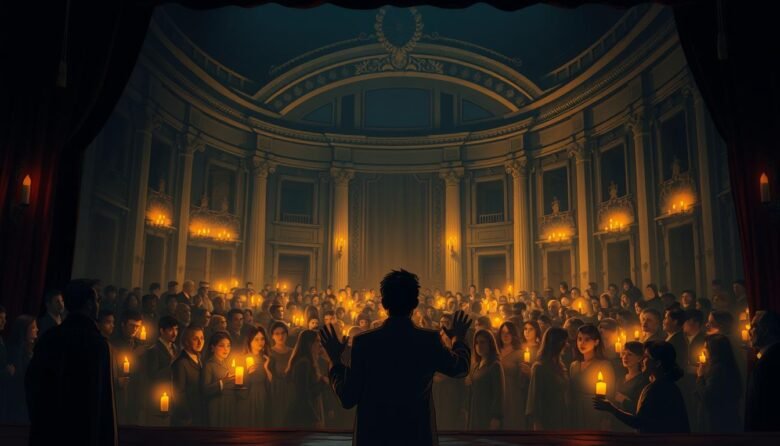
Italian storytelling has a rich history, evolving from classic cinema to embrace more intimate formats. These modern narratives capture the cultural heritage unique to the country’s diverse regions.
The Passion Italy series represents a fresh approach. Hosted by Alessandra Poli, it presents the nation through the lives of its people. The show premiered in May 2020 and consists of six episodes.
Each episode functions as a standalone narrative. It explores authentic life through the lens of local artisans and traditions. This creates a tapestry that celebrates hidden treasures.
Unlike conventional travel shows, this series weaves visual poetry with documentary-style storytelling. It reveals how landscapes and architecture provide the backdrop for deeply human stories.
Viewers can access this compelling video content through platforms like PBS Passport. This makes stories of craftsmanship accessible to audiences seeking authentic insights.
The show demonstrates that compelling narratives often emerge from real stories of dedication. It balances educational content with entertainment, offering a fresh perspective on a nation’s identity.
Key Takeaways
- Modern Italian narratives have moved beyond traditional cinema to more intimate, character-driven formats.
- The Passion Italy series offers a unique look at the country through the lives of its local people.
- Each episode explores different regions, focusing on artisans and cultural practices.
- The show combines visual beauty with documentary storytelling for a poetic effect.
- This content is available to stream, making it easily accessible for international viewers.
- The series highlights how real stories of dedication can be more powerful than fiction.
- It successfully balances education and entertainment, providing a fresh perspective.
Exploring the Heart of Italian Storytelling
Rome-born host Alessandra Poli brings a global perspective to local storytelling. Her extensive background in television production enriches each journey. She connects viewers with authentic craftspeople across various regions.
Behind the Camera with Alessandra Poli
Alessandra Poli’s Roman heritage gives her unique insight. As a seasoned TV producer, she understands how to frame compelling narratives. Her approach creates intimate connections between viewers and subjects.
Each alessandra visits reveals new dimensions of cultural preservation. She lets the artisans tell their own stories in their own words.
Discovering Hidden Artisans and Crafts
The series showcases remarkable craftsmanship across different regions. Viewers meet puppet makers, coral carvers, and bread makers. These skilled artisans maintain centuries-old tradition.
Every episode focuses on specific locations and their unique practices. The dedication of these craftspeople represents living history. Their work balances heritage with contemporary relevance.
Italian Mini-Series, Passion, Art: A Visual Feast
The series captivates viewers with its stunning visual approach. Every shot is carefully composed to highlight the beauty of the process. This turns each episode into a cinematic experience.
Viewers are drawn into the intimate spaces where craftspeople work. The camera captures the intricate details of their hands and tools. This visual depth brings a powerful sense of realism.
Dramatic Narratives and Cinematic Excellence
The show’s strength lies in its ability to build dramatic tension. It focuses on the challenges and triumphs of the craftspeople. This creates engaging story arcs within each segment.
Cinematic techniques, like sweeping landscape shots and close-ups, enhance the narrative. The visual rhythm matches the pace of the work being shown. It’s a true feast for the eyes.
The Role of Family, Tradition, and Wine in Storytelling
Multi-generational family businesses are a central theme. The tradition of crafts passed down through decades is powerfully shown. This continuity forms the heart of the narrative.
Stories of vintners, like the Oddero family, connect the land to the final glass of wine. Their dedication to tradition is palpable. Each episode weaves these elements together seamlessly.
Culinary dishes and regional wine are presented as extensions of heritage. The final episode beautifully ties these threads together, celebrating the enduring spirit of craftsmanship.
Cultural Richness and Historical Traditions in Italian Dramas
Festival traditions serve as living museums where historical practices come alive through community participation and celebration. These events transform cities into vibrant stages for cultural continuity.
Renaissance-Era Craftsmanship and Local Festivals
Claudio Pinchi represents the living legacy of renaissance-era craftsmanship. He builds and restores pipe organs using techniques developed over 600 years ago. His work includes the historic organ in Assisi’s San Vitale church.
The preserved Renaissance-style wall organ in Trevi demonstrates this commitment to historical preservation. This instrument stands as both functional object and cultural artifact.
Community festival celebrations reveal how historical traditions maintain their power. Assisi’s Calendimaggio festival dates back to Medieval Pagan practices. Each May, the town divides into competing factions for elaborate games and rituals.
Abruzzo’s Good Friday procession involves massive community participation. More than 100 musicians and a 160-voice choir create an unforgettable experience. This scale shows the deep investment in religious traditions.
Skilled artisans maintain various forms of traditional craftsmanship. These include copper work, wrought iron, stone carving, and Maiolica ceramics. The ceramic tradition in Abruzzo dates to the 16th century.
These practices represent the pinnacle of renaissance-era craftsmanship. They connect contemporary life with historical excellence through family lineages and community dedication.
Mapping Italy’s Television Landscape and Regional Stories
The television landscape of Italy is beautifully mapped through regional explorations in Passion Italy. This series creates an innovative format that goes beyond typical travel shows.
Travel Insights from Passion Italy’s Episodes
Each episode functions as a detailed regional guide. The Umbria journey starts in hilltop Trevi and moves through Foligno to UNESCO-site Assisi.
Perugia serves as a university town with vibrant energy. The route concludes in Corciano, offering a logical travel path viewers can replicate.
Art, Architecture, and Culinary Highlights
Architectural discoveries include La Scarzuola, an “ideal city” with surreal design. Master glass craftsmen appear across regions from Murano to Puglia.
Stone working connects centuries of craftsmanship. Rome’s street art district shows contemporary expression alongside historical sites.
American audiences can stream these regional portraits through platforms like PBS Passport. This makes detailed cultural education accessible on demand.
The second episode of Passion Italy particularly highlights stained glass artistry in Perugia. These elements create a comprehensive portrait of regional diversity.
Embracing Italy’s Legacy and the Future of Storytelling
The future of cultural narrative shines brightly through formats like Passion Italy. This video series honors enduring traditions while making them accessible globally. It demonstrates how modern media can preserve heritage for future generations.
When Alessandra visits master craftspeople, she captures pivotal moments. Claudio Pinchi describes cutting the first mouth on organ pipes as an irreversible act. This high-stakes craftsmanship requires decades of knowledge.
The emotional depth is profound. Pinchi admits he cries when a completed instrument is played well. This shows how passion transcends technical skill, becoming a spiritual calling.
Rediscovery is a key theme. Francesco Moretti revived glass painting in the mid-nineteenth century after its abandonment. This highlights how lost arts can be revitalized by dedicated individuals.
The series also features career-changers like Dr. Enrico Rolfini. His love for cuisine led him to become a chef. His dishes use ingredients fresh from his garden.
From stone work to glass art, each material requires distinct expertise. The show covers diverse locations, from trabocchi fishing platforms to a Rome street art district.
Festival celebrations and family wine businesses show legacy is continuously recreated. These artisans ensure ancient practices remain relevant. Their work is a living, breathing art form.
This video content allows viewers to stream these stories. It creates a modern tradition, using technology to inspire audiences everywhere. Each Alessandra visits reinforces that passion is the essential ingredient.