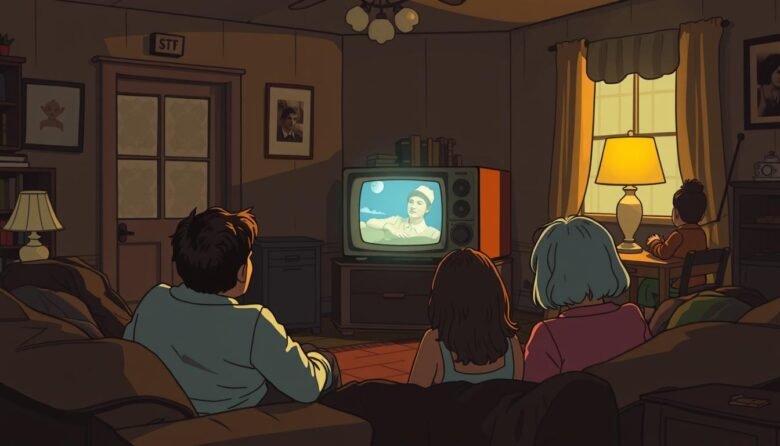
Long-running television dramas have a special way of weaving themselves into our lives. Over many seasons, these shows become more than just entertainment. They become familiar companions that grow with us through different life stages.
The connection viewers develop with these series goes beyond simple storytelling. Show creators skillfully build emotional bonds that last for years. This creates a powerful sense of attachment that keeps audiences coming back season after season.
There’s a psychological magic at work when we invest years in following characters’ journeys. The shared experiences and past events create layers of meaning that deepen over time. Loyal viewers develop a unique relationship with the narrative that new viewers can’t fully appreciate.
This emotional investment pays off in powerful ways during key moments in the series. The most memorable finales often balance happiness with thoughtful reflection. This approach leaves audiences with complex feelings that stay with them long after the credits roll.
Key Takeaways
- Long-running dramas create deep emotional connections through extended character development
- Showrunners use psychological techniques to build lasting viewer attachment
- Shared narrative experiences create unique bonds between loyal fans
- Memorable series finales often balance multiple emotional tones
- The passage of time enhances the impact of character journeys
- Successful dramas create cultural touchstones that span generations
- Emotional investment in characters grows stronger with each season
Setting the Stage: The Power of Nostalgia in Drama Series
Psychological research illuminates why certain drama series become lifelong favorites, pointing to the strategic use of relatable human experiences. This connection is more than just good writing; it’s a carefully crafted emotional journey.
How Nostalgia Shapes Viewer Engagement
When shows tap into these deep psychological responses, they create a bond that goes beyond the screen. Viewers don’t just watch characters—they feel like they are growing alongside them. This makes every story twist feel personal and significant.
Studies show these sentimental feelings can be triggered by many things. Feelings of loneliness, memorable social interactions, or even daily events can spark this powerful emotion. Show creators cleverly weave these triggers into their stories.
The psychology behind this reveals a fundamental human need for connection and meaning. This explains why long-running series become so important to people. They provide a sense of continuity in our ever-changing lives.
This approach to storytelling creates incredibly meaningful experiences for the audience. People report stronger emotional ties and greater satisfaction with shows that use this technique. It transforms watching from a simple pastime into a deeply personal experience that viewers carry with them.
Understanding nostalgia, memory, bittersweet endings
The emotional pull we feel toward certain television shows isn’t accidental but stems from deep psychological mechanisms. This connection goes beyond simple entertainment, tapping into our fundamental need for meaningful experiences.
The Dual Nature of Nostalgic Emotions
Sentimental longing often combines warmth from the past with awareness of time’s passage. This creates a complex emotional experience that television writers skillfully employ.
These feelings operate on multiple levels simultaneously. They provide comfort through familiar recollections while acknowledging what has changed. This dual quality makes them incredibly powerful in storytelling.
The psychology behind this reveals it’s not merely about happy recollections. It’s the interplay between joy and loss that gives these emotions their depth. This explains why certain scenes resonate so profoundly with audiences.
When drama series capture this effectively, they create moments that work on various emotional frequencies. Viewers experience both the happiness of recollection and the poignancy of time’s flow. This layered approach to emotional storytelling has been part of human expression throughout history.
From classic literature to modern television, this emotional complexity represents a fundamental aspect of human experience. Recognizing this dual nature helps explain why series finales often leave audiences with rich, multifaceted feelings.
Exploring Dramatic Narratives and Nostalgic Triggers
The most memorable drama series employ carefully crafted triggers that transport viewers across time and space. These emotional anchors connect current storylines with past experiences, creating rich layers of meaning.
Show creators understand how specific sensory cues can bridge years of storytelling. Music often serves as the most powerful time-travel device in television.
Revisiting Iconic Scenes and Timeless Music
Consider how hearing “Bet On It” from High School Musical 2 can trigger overwhelming joy. One listener described being transported back to elementary school times during a car ride.
This demonstrates how sonic blasts from the past create intensely blissful moments. The combination of present sensory experiences with past associations makes these events particularly powerful.
Iconic scenes become anchored through careful construction of visual and auditory elements. Musical motifs function as emotional shorthand across seasons.
Literary and Cinematic Inspirations
Television creators draw from rich traditions in literature and film. They adapt time-tested techniques for evoking sentimental feelings to serialized storytelling.
These carefully crafted triggers allow past and present to collapse together. Viewers simultaneously experience current narrative events while recalling series history.
The strategic revisiting of key content from earlier seasons creates layered meaning. This approach enriches the overall viewing experience significantly.
The Role of Memory in Shaping Long-Running Story Arcs
Serialized storytelling achieves its depth through the careful layering of personal histories that unfold gradually. Each season adds new dimensions to character backgrounds, creating rich narrative tapestries.
Character Backstories and Evolving Memories
Writers skillfully reveal memory fragments that change how we see characters we thought we knew. These revelations often recontextualize past events through fresh perspectives.
Research shows that significant recollections typically involve highly personal and momentous occasions. This mirrors how television series use pivotal moments as emotional anchors.
The strategic use of recollection creates continuity that rewards dedicated viewers. It demonstrates how the past continually influences present actions and future possibilities.
This approach mirrors real human experience where our understanding of past events evolves. As we gain wisdom over time, our interpretation of earlier experiences naturally shifts.
Successful shows manage their narrative recollection with precision. They ensure consistency while allowing for meaningful reinterpretation that adds depth.
Bittersweet Endings: Balancing Joy and Sorrow
The concluding chapter of a beloved drama series carries a unique emotional weight that resonates deeply with its audience. It’s the culmination of years of investment, where viewers say goodbye to characters who feel like part of their own lives.
Emotional Resonance in Final Episodes
Powerful finales masterfully blend happiness for a character’s success with the natural sadness of parting. This complex mix of feelings mirrors the very essence of sentimental longing itself. It honors the shared journey while acknowledging that all good things must conclude.
Modern viewers seek sophisticated conclusions that reflect real-life complexity. They appreciate resolutions that aren’t purely happy or sad. A well-told ending allows an audience to hold multiple truths at once.
Gratitude for the experience can coexist with sorrow that it’s over. The most impactful finales become woven into a viewer’s personal history. They shape how we remember not just the story, but the time in our own lives we spent watching it.
This profound connection turns the finale into more than a story’s end. It marks the closing of a personal chapter for the dedicated fan.
Nostalgia as a Narrative Device in Television
Television writers have mastered the art of connecting viewers to their shows through strategic emotional callbacks. This technique operates on multiple levels within the storytelling framework. Characters often experience sentimental longings that mirror what audiences feel.
Effective use of this approach requires precise timing. Callbacks to earlier seasons must feel earned rather than forced. This creates authentic resonance with viewers’ accumulated viewing experience.
Viewer Identification with Past Moments
Audiences form powerful bonds when they see their own sentimental tendencies reflected in characters. This identification creates a meta-emotional experience. Fiction and reality blend together in meaningful ways.
Television’s serialized format is perfectly suited for this type of storytelling. The extended time people spend with characters mirrors how real sentimental attachments form. This extended engagement allows for deep connections.
Strategic deployment of sentimental elements maintains audience investment across many seasons. It gives people reasons to stay engaged with the content. Present storylines continually connect back to meaningful moments from the show’s history.
The most sophisticated series explore how recollections shape identity over time. They examine how our relationships with the past evolve. This creates content that resonates on both intellectual and emotional levels for the audience.
Psychological Impact: How Nostalgic Feelings Influence Well-Being
Psychological research is uncovering the profound effects that sentimental reflection has on our daily lives. These feelings are not just fleeting moments. They actively shape our sense of well-being in meaningful ways.
Research Insights into Nostalgia’s Effects
Studies now show that the quality of these emotions matters greatly. Positive reflections can boost life satisfaction. Negative reflections can have the opposite effect.
The Bittersweet Variation Model explains this dynamic. Daily events directly shape the emotional tone of these feelings. Positive experiences lead to warmer reflections.
Daily Diary Studies and Experimental Evidence
Daily diary research involving over 150 people provided deep insights. Participants submitted thousands of reports over time. The data showed that these feelings change significantly from day to day.
Experimental studies with hundreds of participants confirmed causal links. Prompting positive reflections about close relationships improved outcomes. This demonstrates the real-world power of these emotions.
The amount of benefit depends heavily on the trigger. Positive events lead to constructive reflections. Negative triggers can decrease psychological functioning.
These findings help explain viewer reactions to television content. Shows that evoke positive reflections may enhance audience well-being. Content triggering more complex emotions leads to varied responses.
Understanding this psychology helps us appreciate how these feelings serve multiple functions. They address social needs and existential concerns. Their effectiveness depends on the nature of the original experience.
Historical Role of Nostalgia in Storytelling
Humanity’s relationship with sentimental longing has a fascinating and complex history. The way we understand these deep feelings has changed dramatically over the years.
Centuries ago, nostalgia was not seen as a warm emotion. Physicians classified it as a medical disease that needed a cure. Symptoms included deep sadness and even visions of the past.
From Classic Epics to Modern Dramas
This powerful longing often appeared in soldiers far from home. Their intense desire for family comfort was considered a sickness. It could lead to them being sent home from duty.
Our modern view of nostalgia is much different today. We now see it as a normal part of the human experience. This shift shows how psychological understanding evolves over time.
Ancient stories were built around themes of returning home and lost glory. These narratives show that this emotion has always been part of storytelling. Audiences across cultures have connected with these themes.
Modern television series continue this rich tradition in new ways. They use serialized storytelling to explore complex feelings about the past. This connects viewers through shared emotional journeys.
The evolution of this concept mirrors television’s own growth. Early shows handled these emotions simply. Today’s dramas explore their full depth in characters’ lives.
Recognizing that nostalgia has always been part of our lives explains its power. It validates why stories using this emotion resonate so strongly across generations.
Sensory Triggers: Music, Settings, and Visual Cues
Sensory storytelling represents television’s most direct pathway to emotional memory activation. These triggers bypass conscious thought and connect directly with our deepest recollections.
Music serves as television’s most powerful time machine. Hearing familiar songs from our youth can instantly transport us back to specific moments. This experience creates an immediate bridge between past and present.
The Impact of Soundtracks and Scenic Nostalgia
Visual settings accumulate emotional weight across multiple seasons. Familiar locations become layered with meaning from previous storylines. Their appearance triggers rich associations for loyal viewers.
The combination of auditory and visual elements creates robust memory traces. These multisensory experiences engage viewers beyond conscious awareness. This explains why certain television moments become lifelong touchstones.
Childhood shows demonstrate this power vividly. Songs from elementary school years can evoke strong feelings about family and friends. These sensory connections make storytelling more personal and impactful.
Understanding sensory triggers helps creators craft more meaningful content. They learn to engage multiple senses simultaneously. This approach builds deeper connections with the audience over time.
Trauma and Recovery: When Nostalgia Becomes Painful
The same nostalgic triggers that bring joy to many can become sources of deep pain for those with unresolved trauma. These emotional responses are deeply personal and complex.
Dealing with Unresolved Emotions
For people who experienced difficult childhood circumstances, nostalgic feelings can activate painful responses. Familiar places or events from school years may trigger distress rather than comfort.
Consider someone returning to their college campus years later. Every location might hold echoes of past struggles and loneliness. The contrast between romanticized memories and harsh realities intensifies feelings of loss.
Unresolved trauma means that seemingly positive reminiscence can transport people back to distressing moments. The sense of grief for lost opportunities becomes particularly sharp.
Drama series addressing trauma must navigate these complexities carefully. The same nostalgic elements that comfort some viewers may trigger painful responses in others.
Therapeutic approaches recognize the need to balance longing for connection with accepting difficult truths. This helps explain varied audience reactions to nostalgic television content.
Balancing Idealization and Reality in Nostalgic Memories
There exists a delicate dance between how we remember our history and how it actually unfolded in real time. This balancing act shapes our connection to television characters and their journeys.
Our minds naturally soften the rough edges of bygone days. We often view previous chapters through rose-colored glasses. This tendency creates a sentimental longing for versions of history that might not match reality.
Romanticizing the Past Versus Embracing the Present
This romanticization serves important psychological functions. It provides comfort and meaning during challenging times. However, excessive idealization can prevent full engagement with current life.
Drama series skillfully navigate this tension. Characters grapple with similar conflicts between longing for what was and accepting what is. This creates authentic narratives that resonate deeply with viewers’ own experiences.
The challenge becomes particularly acute during life transitions. Nostalgia for the past competes with excitement about the future. Finding healthy balance means appreciating previous times without undermining present satisfaction.
Effective storytelling acknowledges both the goodness of past experiences and their limitations. It helps audiences develop more realistic relationships with their own recollections.
Cultural Reflections: Nostalgia and Lifelong Attachment
Television series become cultural artifacts that shape how communities form and interact over time. These shared viewing experiences create invisible bonds between people from different backgrounds.
When groups of people share emotional connections to the same stories, they develop a common language. This shared understanding helps form friendships that might not have happened otherwise. The desire for connection finds fulfillment through these collective experiences.
Long-running shows serve as cultural touchstones that connect viewers across different life stages. People discover common ground through their attachment to beloved characters and storylines. This shared growth creates lasting bonds.
Fan communities illustrate how attachment to fictional narratives becomes part of social identity. These groups develop inside jokes and references that strengthen their connections. The experiences shared through television create bridges between diverse people.
This collective attachment provides continuity throughout people’s lives. It offers comfort during challenging times and contributes to personal growth. Understanding this phenomenon helps explain why certain shows become cultural institutions.
Final Reflections: Embracing the Bittersweet Journey in Drama Series
What makes certain television shows linger in our hearts long after the final credits roll speaks to something deeply human. These stories become part of our life experience in ways that simple entertainment cannot capture.
The amount of emotional investment we pour into long-running series pays off in rich, complex feelings. These shows mirror the actual texture of human existence, blending joy and sorrow in ways that feel authentic.
Today, with so much content available, the series that truly endure are those that create meaningful connections. They raise important questions about our own journeys through time.
Ultimately, the power of these emotional experiences lies in their ability to enrich our present lives. They help us understand ourselves and our relationships more deeply.