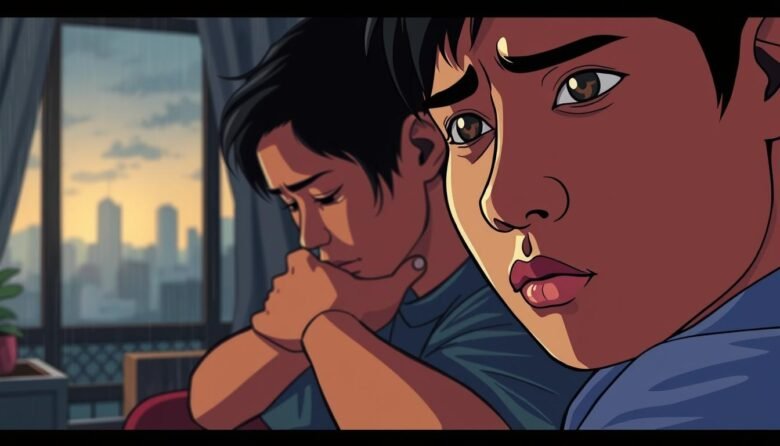
Filipino television shows have a special way of touching hearts around the globe. These programs mix deep feelings with real-life situations that many people can relate to. The stories often show characters facing tough challenges but finding strength to carry on.
This unique approach to storytelling helps communities process difficult experiences. Creators use television as a way to reflect social issues and personal struggles. The narratives often explore how individuals and families overcome obstacles together.
International media and news outlets are starting to notice these powerful stories. Recent film projects from the region are gaining attention worldwide. They offer authentic perspectives that resonate across different cultures.
The entertainment industry in this Southeast Asian nation uses television as a cultural mirror. It reflects the experiences of ordinary people dealing with various life challenges. This creates a strong connection between the shows and their audience.
Key Takeaways
- Filipino television shows blend emotional depth with relatable real-life situations
- These stories help communities process collective experiences and challenges
- The narratives often focus on resilience and overcoming adversity
- International media is increasingly recognizing the value of these authentic stories
- Television serves as a cultural mirror reflecting social issues and personal journeys
- Recent film projects are bringing these unique perspectives to global audiences
- The storytelling creates strong emotional connections with viewers worldwide
Setting the Scene: The Heart and History of Filipino TV Dramas
To understand the emotional weight of these shows, one must look back at the historical events that have shaped the collective spirit. The stories we see today are built upon a foundation laid by generations.
Cultural and Historical Influences
Centuries of social and political experience have forged a unique storytelling voice. Significant events from the past leave deep marks on a nation’s community.
For instance, the 1981 Manila Film Center collapse remains a powerful symbol. This event showed the sacrifices of ordinary people for a public spectacle. It is a chapter in history that continues to influence creative works.
The Role of Tragedy and Hope in Shaping Narratives
Filipino culture has a tradition of processing collective experiences through narrative. Stories often explore how lives are affected by hardship.
The passage of time allows for new perspectives on difficult moments. This creates space for more honest portrayals within modern society. The narrative focus shifts toward resilience and finding light after darkness.
Delving into “philippine drama, tragedy, hope” in Modern Storytelling
A new wave of film creators is transforming painful historical chapters into powerful cinematic experiences. These contemporary projects focus on authentic human experiences rather than sensationalism.
Revisiting Iconic Dramas and Landmark Films
The film “Heaven Help Us” represents this bold approach. Director Eve Baswel connects her own labor experiences with workers who lost their lives in the 1981 collapse.
Producer John Torres emphasizes how current political shifts give the nation a second chance to examine historical gaps. The project aims for international development while maintaining emotional truth.
Another significant film, Mikhail Red’s “The Grandstand,” examines the 2010 hostage crisis. This story focuses on human spirit rather than political blame.
Connecting Past Events to Current Media Trends
These projects demonstrate cinema’s power to make new generations confront uncomfortable truths. The creative team behind each film ensures victims are remembered with dignity.
This trend shows how local stories can achieve universal resonance. Producers position these narratives for global audiences while preserving cultural authenticity.
The development process from concept to international markets reflects a mature industry. These films give voice to those previously silenced by history.
The Power of Words: Journalistic Integrity and Personal Triumphs
Journalism often serves as the bridge between private grief and public awareness. This connection becomes vital when personal loss meets the need for social change.
Stories of Loss, Resilience, and Renewal
Pati Poblete’s son Robby was shot and killed in 2014. This devastating event shook her entire family to its core.
She turned to writing as a way to process her grief. First letters to her son, then chapters of a book became her therapy.
Her writing evolved into opinion pieces that sparked conversations. She addressed gun violence and justice in her community.
Journalism as a Beacon for Social Change
Poblete founded the Robby Poblete Foundation after her son‘s death. This organization transforms unwanted firearms into art.
It provides vocational skills programs with union support. The foundation shows that no one is beyond redemption.
As a journalist, Poblete gave voice to important issues. Her work highlights how journalists pursue truth and justice.
Quality journalism sheds light on injustice. It holds power accountable and protects human rights. Personal stories can inspire positive change across the world.
Looking Beyond: Embracing a Legacy of Hope and Healing
Contemporary storytelling serves as both memorial and catalyst for meaningful social development. These powerful stories ensure that victims are remembered by name, not just as statistics.
Projects like “Heaven Help Us” connect past events to current community struggles. They explore universal themes of human rights and morality that resonate worldwide.
The youth play a crucial role in this cultural moment. They learn from past errors to prevent history from repeating. This generation carries these important lessons forward.
As political landscapes shift, these media projects gain renewed urgency. They hold power accountable and support justice. The development of diverse creative works continues to make an impact.
Through these accumulated experiences, communities find pathways toward healing. The legacy of truth-telling creates possibilities for genuine transformation across society.