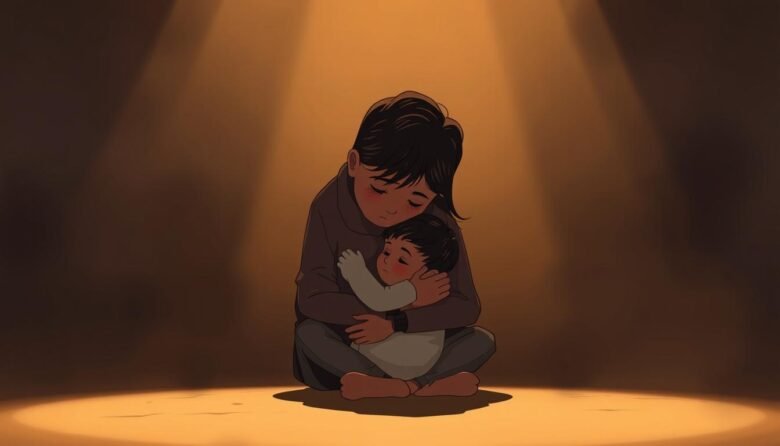
Have you ever watched a show where a character loses a mother or father and felt a deep, personal sting? This isn’t a coincidence. Stories that explore these profound parental bonds tap into something universal.
These narratives resonate because they mirror our own life experiences. The death of a parent or a strained relationship on screen can trigger powerful emotions. It connects viewers to themes of love, grief, and unresolved feelings.
This connection matters. Fictional portrayals help people process complicated feelings. They offer a new perspective on their own relationships with their parents.
Whether mourning a parent who has passed or grieving a connection that never was, this sense of loss in media can validate a real-life experience. It helps us find understanding and feel less alone.
Key Takeaways
- Shows featuring parental loss connect with audiences on a deep, emotional level.
- These stories act as mirrors, reflecting our own complex family dynamics.
- They help viewers process feelings of grief and unresolved emotions.
- Fictional narratives can validate personal experiences of loss and strained relationships.
- Exploring these themes from different perspectives fosters greater understanding.
Understanding the Impact of Parental Loss in Media
The portrayal of a parent’s death in media creates immediate emotional connections with viewers. These stories mirror real-life situations that many people face.
Emotional Resonance in Storytelling
When a character deals with a parent’s absence, viewers often recall their own feelings. This connection makes the story more powerful. The emotions feel genuine and relatable.
People see parts of their own experience in these narratives. The pain shown on screen can trigger personal memories. This helps viewers process their own feelings in a safe way.
Depicting the Pain and Complexity of Loss
Realistic portrayals show that grief isn’t simple. Relationships with parents can be complicated. Love and pain often exist together.
These stories help people understand their own family dynamics. They show that mixed emotions are normal. This validation can support mental health.
Media helps others feel less alone in their experiences. Seeing similar stories on screen creates a sense of shared understanding.
The Power of “parental bonds, loss, regret” in Shaping Narratives
The most compelling television stories about family life show us that the people who raised us are often complicated figures with their own struggles. These narratives force characters to face the truth about their family connections.
A person might look back and feel deep regret about missed opportunities with their parents. This feeling drives the story forward in powerful ways. The child in these stories often carries this weight.
Many people can relate to the experience of wishing they had more time with a father or mother. These stories explore how regret functions within family dynamics. They show that these feelings exist on both sides.
Children in these narratives face difficult choices about their connection to their parents. An adult child might need to set boundaries or take on new responsibility. This reflects the complex reality many people face.
The best shows don’t offer simple solutions. They present the messy truth that love and frustration can coexist. A father might be both supportive and challenging at the same time.
These stories work because they show multiple viewpoints. We see the struggling parent, the wounded child, and siblings with different experiences. This creates a rich picture of how family connections shape a person’s entire life journey.
Exploring Mixed Emotions: Guilt, Grief, and Regret
Television narratives that explore family disconnection frequently depict the messy reality of simultaneous relief and sorrow. These stories show that feelings don’t always follow a predictable path.
Recognizing the Spectrum of Emotions
According to psychologist Claire Jack, Ph.D., many people experience guilt even when setting boundaries was necessary. This feeling doesn’t mean the decision was wrong.
One person shared that they don’t regret their choice for safety reasons. Yet they still experience sadness and mourning. This shows how complex emotions can coexist.
Many individuals miss “the idea” of their parents rather than the actual people. They grieve the fantasy of supportive parenting they never received.
Navigating the Conflict Between Relief and Remorse
It’s common to feel both relief and guilt after creating distance from family. This conflict is normal and doesn’t invalidate your choices.
Acknowledging these mixed feelings supports better mental health. It helps develop self-compassion instead of getting stuck in cycles of guilt.
Understanding that you can feel lighter while also experiencing grief is important. This understanding validates the pain while honoring your mental health needs.
This emotional complexity matters for anyone dealing with difficult family dynamics. Recognizing these patterns helps people find their own path forward.
Real-Life Experiences and Expert Insights
Moving beyond fictional portrayals, the experiences of real people and the insights of therapists shed light on the complex emotions involved in family estrangement. This combination offers a deeper, more personal understanding.
Psychological Perspectives on Parental Estrangement
Psychologist Claire Jack, Ph.D., explains that most people only choose to go no contact after other options fail. It is a last resort, preferable to staying in a toxic situation that harms their health.
Dr. Ramani Durvasula notes that factors like guilt, fear, and hope often keep people in difficult dynamics. These same factors can cause doubt after making the tough decision to create distance.
Personal Narratives of Coping with Loss
Real stories show a wide range of feelings. One adult child shared immense relief, stating they only regret not acting sooner.
Another person described intense regrets soon after setting boundaries. This shows there is no single right way to feel.
Support from others who’ve been through it is crucial. One answer offered perspective, noting that feeling bad about hurting a parent doesn’t make the boundary wrong. Therapy can be vital for processing this stress.
Setting Boundaries: Navigating the Aftermath of Parental Loss
Creating healthy distance from family members requires courage and practical tools. This step is about protecting your well-being.
Many adult children hesitate, fearing future regret. They ask, “What if my parent dies and I feel bad?” But another question is just as important.
Consider what you might regret by staying in a harmful situation. Sacrificing your happiness and mental health is a heavy price.
Coping Strategies for Complex Family Dynamics
Practical actions can ease the stress. Keeping a journal helps you remember why you made this decision.
Writing down difficult incidents provides clarity. It counters the tendency to forget the past.
Seeking support is crucial. Therapy or groups for people with tough family ties offer understanding.
Limit contact with people who criticize your choice. This protects your peace and reduces pressure.
Establishing Healthy Limits for Emotional Well-Being
Think of boundaries as adding good things to your life. You are making space for honesty and respect.
This way of thinking shifts the focus from cutting people out. It’s about building a better relationship with yourself.
Focus on healing and finding joy. Build strong connections with supportive friends.
This process is ongoing. It requires regular check-ins on your health and responsibility to yourself over time.
The Societal and Cultural Dimensions of Parent-Child Relationships
Cultural messages about family life surround us every day. These ideas shape how we view connections between parents and children. They create a powerful force that influences our choices.
Common phrases like “blood is thicker than water” set high expectations. This way of thinking makes maintaining family ties seem non-negotiable. It pressures people to stay in difficult situations.
Impact of Societal Expectations on Family Bonds
Society often paints an ideal picture of parenting. This can make those with complicated relationships feel alone. Their real-life experience clashes with the cultural ideal.
Well-meaning others might question a child‘s decision to create distance. They may not understand why someone would limit contact. This lack of understanding adds to the stress.
These factors make it hard for children to trust their own judgment. Cultural norms suggest that love within a family should be unconditional. But reality is often more complex.
Different communities place varying emphasis on family duty. For some, setting boundaries feels like betraying their culture. This shows how deeply these expectations are rooted.
Challenging these narratives is an important step. It validates the experiences of many people. It acknowledges that not all parenting is healthy.
Greater public conversation on this matter can help shift perspectives. It creates space for relationships built on respect, not just obligation.
Healing and Moving Forward After Loss
The journey toward peace after a difficult family experience is deeply personal. It involves acknowledging complex feelings while actively building a new, healthier life. This path focuses on healing and finding joy beyond the initial pain.
Therapy, Support, and Personal Growth
Professional therapy offers a safe space to process difficult emotions. A therapist can help you understand your past and develop coping skills for stress. This support is vital for your mental health.
Connecting with others who share similar experiences provides powerful validation. Support groups remind you that you are not alone. They offer practical wisdom for navigating this challenging time.
Reframing Loss as a Catalyst for Change
This experience can become a turning point for positive growth. The decision to prioritize your well-being is an act of strength. It allows you to break old patterns and build a future filled with joy.
With time and consistent effort, the weight of difficult feelings often lessens. Many children who have walked this path eventually find a profound sense of peace. They build a life defined by their own choices and happiness.
Parental Guilt and the Struggle for Self-Compassion
Survey data reveals that self-doubt is a common companion for those navigating the journey of child-rearing. Research shows nearly all caregivers experience moments they wish they could redo.
A Primrose Schools survey found 31% of parents cited lack of patience as their top guilt-inducing regret. Another study showed 25% of parents regularly second-guess their choices.
Managing Guilt in the Wake of Hard Decisions
Losing one’s temper ranks as the number one source of guilt. As one mother shared, “I’ve been a mom for over 16 years and it’s been the biggest battle I’ve fought with myself.”
The aftermath of frustration can keep people awake at night. They replay what they’ve ‘ve done wrong during the day. This shows how much parents care about their children.
These feelings arise from love, not cruelty. Understanding this helps children and parents alike. It creates space for growth and healing.
Self-compassion offers an answer to constant second-guessing. Recognizing that perfection isn’t possible reduces the weight of guilt. This approach benefits everyone involved.
Embracing Change and Looking Ahead
Building a fulfilling life beyond difficult family dynamics starts with embracing your own worth and well-being. The choices you made were the best decision possible given your circumstances. This step toward self-care deserves respect, not second-guessing.
Accepting reality as it is allows energy to flow toward positive connections. Focus on building relationships with friends and others who offer genuine support. This shift in perspective reduces stress and creates space for healing.
Your family history doesn’t define your entire life story. Each person has the power to write new chapters filled with healthier connections. Focusing on your well-being is something you will never regret.