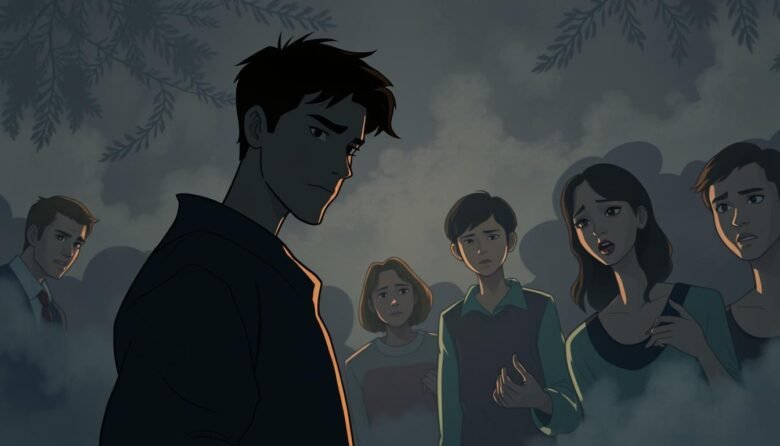
Modern television shows have discovered something powerful. The concealed truths that households keep create compelling stories. These narratives connect with viewers around the world. People feel linked to characters facing similar struggles.
These hidden elements are more than just plot devices. They offer windows into complex relationships and identity. They show how past choices shape present experiences. This creates deep emotional connections.
Writers tap into universal experiences of discovery. They unlock emotional power that transforms ordinary stories. The result is unforgettable drama that audiences can’t stop discussing.
The most successful shows understand these elements don’t exist alone. They ripple through every interaction, affecting communication and trust. This shapes how characters understand themselves.
Key Takeaways
- Hidden truths create deep emotional connections in television narratives
- These elements reveal complex relationships and personal identity
- Universal experiences of discovery resonate with diverse audiences
- Concealed information affects communication and trust dynamics
- Past decisions continue to influence present-day character experiences
- Successful shows integrate these elements throughout the narrative
The Power of Family Secrets in Shaping Modern Dramas
Television narratives gain incredible depth from the weight of concealed histories. These unspoken stories are not just plot twists. They form the very foundation of character motivation and relationship dynamics.
Amanda Mustard’s HBO documentary, “Great Photo, Lovely Life,” offers a powerful example. It shows how one person’s choice to speak up can challenge long-held narratives. This process affects everyone involved.
Exploring Unspoken Histories and Hidden Truths
These concealed elements are more than just information. They represent complex webs of loyalty and survival strategies developed over many years. When a hidden truth comes to light, it forces a reevaluation of the past.
Characters must then process their identity and relationships in a new light. This journey of discovery provides rich material for character development.
The Emotional Impact Behind the Secrets
The real power lies in the emotional fallout. It’s not just about the moment of revelation. The impact ripples outward, changing how individuals see themselves and their loved ones.
This creates a deep connection with viewers. Audiences recognize the messy reality of difficult choices made under pressure. The narrative power comes from this authenticity, showing real people in impossible situations.
Understanding Generational Trauma and Its Narrative Influence
What happens in one generation rarely stays contained, often flowing into the lives of descendants. This inheritance of experience creates powerful storytelling opportunities that resonate deeply with audiences.
Writers can explore how ancestral experiences shape present-day characters. The way past events influence current relationships adds authenticity to dramatic narratives.
Unraveling the Threads of Ancestral Wounds
Scientific research reveals that trauma can pass through families in surprising ways. Epigenetics shows how experiences affect gene expression without changing DNA.
This means children might inherit biological responses to events their ancestors experienced. These invisible connections explain character behaviors that seem disproportionate to current circumstances.
The emotional impact of generational trauma provides rich material for character development. Characters might struggle with anxiety or relationship patterns that mirror their family history.
Understanding this trauma helps explain why certain dynamics feel repetitive across time. Breaking these patterns creates natural story arcs toward growth or continued struggle.
This approach gives depth to character motivations and emotional responses. It shows how the past actively shapes present experiences in meaningful ways.
Crafting a Narrative: How-To Incorporate “family secrets, trauma, healing”
Building compelling narratives requires understanding the human heart’s hidden chambers. Writers must approach these delicate themes with care and respect. Authentic storytelling emerges from genuine character journeys.
Amanda Mustard’s work shows how personal investigation can create powerful narratives. Her approach demonstrates treating sensitive topics with journalistic integrity.
Developing Authentic Characters from Personal Histories
Character development begins with understanding what shapes people. Personal histories influence current behaviors and choices. Writers should explore how past experiences inform present actions.
People carry complex emotional baggage that affects their relationships. These dynamics create rich material for character arcs. Authentic characters feel real because they reflect human complexity.
Weaving Intricate Family Dynamics into the Plot
Family dynamics provide natural tension and progression. The way people interact reveals their shared history. Unspoken understandings and hidden tensions drive compelling plots.
Consider how information flows or gets blocked between relatives. These patterns create natural story structure. The journey from concealment to revelation offers powerful narrative momentum.
Decoding Family Dynamics: Relationships, Abuse, and Silence
Documentaries like Amanda Mustard’s reveal how protection patterns operate within households. These situations rarely involve simple villains and victims. Instead, they create complex webs where people make difficult choices.
Breaking the Cycle of Complicity and Enabling Behavior
Understanding why individuals stay silent is crucial. It’s often a survival mechanism, not moral failure. Speaking the truth can threaten stability or safety.
Some relatives genuinely don’t know about the abuse. Others suspect but cannot face the reality. A few actively protect those causing harm while believing they protect the unit.
Transforming Trauma into a Compelling Story Element
Effective narratives show how survival mode works. People managing constant crisis lack emotional bandwidth for change. This explains why some resist truth even when it might help.
Co-dependency patterns create rich material. They blur lines between helping and enabling, between love and control. These dynamics generate authentic character conflict.
When silence finally breaks, the story transforms. It becomes about navigating changed connections and setting boundaries. This journey distinguishes those who acknowledge truth from those who cannot offer support.
The Art and Technique Behind Healing Through Storytelling
Modern therapeutic techniques offer powerful tools for integrating recovery journeys into compelling narratives. These approaches help characters process difficult experiences in authentic ways. Writers can draw from established methods to create realistic emotional arcs.
Understanding these methods adds depth to character development. It shows how people genuinely work through challenging emotions. This creates stories that resonate with real human experiences.
Integrating Therapeutic Approaches like EMDR
EMDR therapy has transformed how professionals address difficult memories. This approach helps individuals reprocess painful experiences without erasing them. The emotional charge diminishes, allowing people to remember without overwhelming feelings.
Characters using similar techniques demonstrate realistic recovery processes. They might work with a therapist or use self-help methods. This shows audiences practical ways to manage challenging emotions.
Using Reflective Exercises for Narrative Healing
Grounding techniques provide immediate relief during emotional moments. Identifying sensory details helps characters stay present. This method works well in scenes where someone feels overwhelmed.
Expressive writing allows characters to process their experiences safely. They can explore what happened and how it affected them. This reveals inner thoughts while moving the recovery forward.
Mind-body practices like yoga help release physical tension. Spending fifteen minutes focusing on breath creates calming scenes. These moments show characters connecting with their inner selves.
Ancestral meditation offers symbolic release of inherited pain. Characters can acknowledge that some struggles began before their time. This powerful imagery demonstrates letting go of what doesn’t belong to them.
Practical Tips for Managing Personal Narratives and Emotional Recovery
Working with sensitive topics requires establishing clear boundaries and resources. This approach helps maintain emotional balance while exploring difficult material. It’s important to protect your wellbeing throughout the creative process.
Research forms the foundation of authentic storytelling. Consult multiple sources including survivor stories and professional guides. The Johns Hopkins Moore Center discussion guide offers valuable perspectives.
Strategies for Authentic Storytelling and Research
Build a support network before diving into challenging material. Identify trusted individuals who understand your boundaries. This network provides essential emotional support when content becomes overwhelming.
Time management is crucial when handling difficult subjects. Limit daily exposure to traumatic material. Schedule regular breaks and maintain activities unrelated to your project.
Professional help accelerates the recovery journey. Specialized therapists provide guidance through challenging emotions. Resources like Psychology Today’s directory help find appropriate support.
Remember that healing isn’t linear. Your emotional health must take priority over any creative project. These principles enable responsible storytelling that serves both artist and audience.
Reflecting on Family Truths: A Journey Toward Empowerment
The journey toward understanding one’s place in a lineage often begins with courageous self-reflection. Carl Jung noted that “when an inner situation is not made conscious, it happens outside as fate.” This insight reveals why examining concealed histories matters deeply.
Phoebe Garnsworthy’s observation about pain passing through generations until someone is ready to feel it highlights the power of breaking cycles. This process isn’t about victimhood but reclaiming authorship over one’s life story.
True empowerment comes from practicing compassion while maintaining healthy boundaries. Acknowledging difficult truths can be more transformative than seeking punishment. Each honest conversation creates space for suppressed emotions and thoughts.
This ongoing work extends beyond individual healing to cultural change. By sharing stories responsibly, we contribute to environments where future generations can live authentically without carrying unspoken burdens.