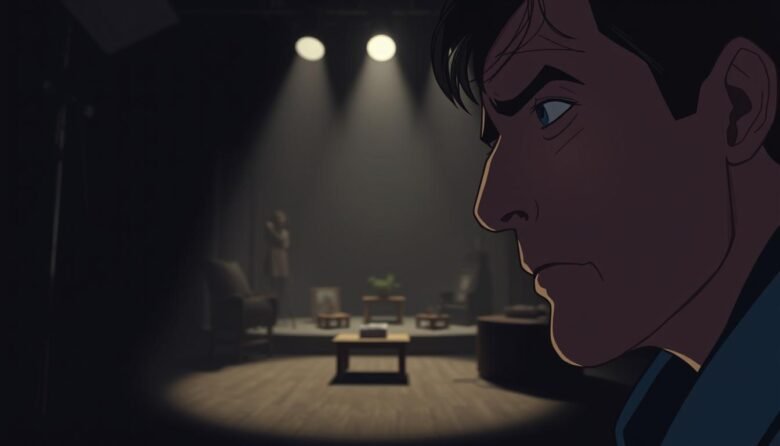
Welcome to the world of visual storytelling where every camera angle and lighting choice matters. Filmmakers use specific techniques to connect with their audience on a deep level. This visual language goes beyond simple recording.
From shadowy alleyways to bright cityscapes, each visual element serves a purpose. The interplay of light, color, and composition creates powerful responses. These choices transform ordinary scene settings into memorable experiences.
Understanding these methods helps filmmakers craft more engaging stories. The right visual approach can make viewers feel connected to the narrative. It’s about creating moments that stick with people long after watching.
This guide explores practical ways to enhance your visual storytelling skills. You’ll learn how to build tension and connection through camera work. These skills are valuable for any film project.
Key Takeaways
- Visual elements like lighting and composition directly influence viewer experience
- Every camera angle and shot selection serves a specific storytelling purpose
- Color palettes and contrast levels help establish mood and atmosphere
- Strategic framing techniques guide audience attention and emotional response
- Movement and pacing through camera work affect narrative tension
- Mastering visual language enhances overall storytelling effectiveness
Understanding Cinematic Tone and Emotional Suspense
Every frame in a movie carries an invisible emotional weight that shapes how viewers experience the narrative journey. The overall tone establishes the foundation for this emotional connection.
This visual atmosphere isn’t created by chance. Filmmakers make deliberate choices with lighting and composition to guide audience responses. These decisions build a specific sense of atmosphere throughout the story.
The Importance of Visual Storytelling
Visual storytelling communicates directly with our feelings. It creates powerful emotional impact without relying on dialogue. This approach makes your film accessible across different cultures.
The right visual choices trigger deep emotions in your audience. Viewers may not consciously recognize these techniques. Yet they definitely feel the resulting emotional impact.
Establishing consistent tone early sets expectations for the journey ahead. It creates an invisible thread that keeps people engaged. This approach turns simple stories into unforgettable experiences.
Essential Lighting Techniques for Mystery and Emotion
Lighting shapes how your audience feels in every moment. It is a powerful tool for visual storytelling. The right lighting techniques can change a scene’s entire impact.
Think of light as a paintbrush. It adds layers of meaning and intensity. Strategic placement guides the viewer’s eye and heart.
High-Contrast vs. Diffused Lighting
High-contrast lighting creates dramatic tension. It emphasizes the stark difference between light and shadow. This approach is very effective in horror genres.
It leaves your audience wondering what is hidden. Hard, directional light sources carve out deep shadows. They sculpt your scene with precision.
Diffused lighting offers a different effect. It softens the entire scene for a welcoming feel. This method helps the audience connect with characters.
Utilizing Colored Lights to Set the Mood
Colored lights add another storytelling layer. They set the mood without a single word. Warm amber tones can suggest comfort and nostalgia.
Cold blues and greens often evoke isolation. Experimenting with practical light sources adds authenticity. Lamps or neon signs create unique lighting effects.
Every light in your scene serves a purpose. It can reveal character feelings or build suspense. Mastering these techniques is key for powerful visuals.
Framing Your Scene to Captivate Viewers
Think of your camera frame as a window into your story. The way you frame a shot directs the viewer‘s attention powerfully. It decides what they see and what remains hidden.
Every choice within the frame matters. Including specific elements can build a strong connection. You can create feelings of closeness or distance with careful framing.
Close-up shots bring the viewer near to a character. This technique makes the audience feel present in the moment. It highlights subtle feelings for greater impact.
Wide shots show the bigger picture. They establish the setting and a character‘s place in it. This can create a sense of scale and depth.
The placement of subjects is key. Centering a subject feels stable. Off-center placement adds visual tension and energy.
Using natural frames like windows adds layers. This method enhances depth and enriches your storytelling. It guides the viewer‘s eye effectively.
Negative space is a powerful tool. The empty areas around your subject hold meaning. This way of framing can amplify the intended emotions.
Each shot composition is a deliberate choice. It controls the flow of information in your scene. Mastering these elements increases the impact of your visual narrative.
Exploring Camera Movements for Added Tension
Camera movement adds a dynamic layer to your visual storytelling, transforming observation into participation. The way you move the camera directly influences the viewer‘s sense of stability or unease. This is a fundamental technique for controlling the pacing of your scene.
Each type of movement creates a distinct feeling. Smooth, deliberate motions feel controlled. Jerky, unpredictable movements generate immediate tension.
Tracking versus Handheld Shots
A smooth tracking shot follows a character with grace. It makes the viewer feel like a steady observer of the action. This technique provides a sense of fluidity and depth.
In contrast, a handheld shot feels immediate and raw. The shakiness places the audience right in the middle of the chaos. It is perfect for scenes requiring high energy and visceral impact.
The choice between these techniques dictates the emotional responses you will get. A tracking shot can build anticipation. A handheld shot can create disorientation during critical moments.
Other movements like pans and tilts also guide focus. A slow pan can reveal important details. A quick tilt can heighten the intensity of a character‘s reaction. Mastering these movements gives you powerful control over your narrative’s impact.
Mastering Color Grading to Enhance Emotional Impact
Digital color manipulation offers filmmakers a final opportunity to refine their story’s emotional impact. This post-production process transforms raw footage into visual poetry. The right color choices can make your audience feel exactly what you intend.
Color grading adjusts hues, saturation, and contrast to create specific moods. These adjustments help your storytelling connect on a deeper level. The visual language of color speaks directly to the heart.
Warm and Cool Color Palettes
Warm colors like reds and oranges create feelings of comfort and energy. They draw the viewer into intimate moments. These tones like warm amber make characters feel accessible.
Cool tones such as blues greens establish distance and contemplation. Using colors like blues can create emotional tension. This approach effectively enhances emotional suspense.
Strategic color contrasts highlight character relationships within a scene. Warm tones on protagonists against cool tones like blues on antagonists communicate conflict. This visual shorthand guides the viewer’s understanding.
Desaturated or monochromatic grading focuses attention on raw performances. Removing vibrant distractions can enhance emotional impact during dramatic scenes. Consistency in your color approach builds cohesive visual storytelling.
Experiment with different tones during editing. Small adjustments can dramatically change the feeling of your work. Discover how subtle shifts enhance emotional resonance with your audience.
Integrating Sound and Music to Build Suspense
Sound and music work alongside your visuals to complete the emotional puzzle of your film. While cinematography handles what viewers see, audio controls what they feel. These elements together create a complete experience that keeps your audience fully immersed.
The right audio choices manipulate attention and guide emotional responses. Strategic sound design uses ambient noise, sudden silence, or jarring effects. These techniques work as effectively as any visual method in your toolkit.
Choosing the Right Suspenseful Music
Suspenseful music creates auditory tension that keeps viewers on edge. It uses dissonant chords and unpredictable rhythms. This signals that something significant might happen in your scene.
In horror and action genres, music often takes darker qualities. Low frequencies and unsettling string arrangements amplify visual tension. Percussion can mirror a racing heartbeat for greater impact.
Background music should support without overpowering your scene. It works as subtle underscore that operates on the subconscious. The absence of music can create uncomfortable tension too.
Time your music’s crescendos with key visual moments. This synergy creates unforgettable peaks for your audience. Choose compositions that complement rather than compete with your cinematography.
Layer different sound elements for rich auditory landscapes. Combine music, ambient sound, and effects for dimensional storytelling. Sound can bridge scenes and sustain tension across action sequences.
Unlocking mystery, emotion, cinematic tone with Shot Composition
Great shot composition turns ordinary footage into compelling visual communication. The arrangement of visual elements within your frame determines how audiences connect with your story. Every choice contributes to the overall impact of your work.
The rule of thirds creates dynamic shots by placing subjects off-center. This simple technique makes your visuals more engaging. It guides the viewer‘s eye naturally through the scene.
Using Leading Lines and Negative Space
Leading lines pull attention toward your main subject. Roads, fences, or architectural features create visual pathways. They add depth and direct focus exactly where you want it.
Different camera angles change how audiences perceive your character. Low angles make subjects appear powerful and dominant. High perspectives can create feelings of vulnerability.
Negative space gives your composition breathing room. Empty areas around your subject emphasize their presence. This way of framing can amplify the intended mood.
Layering multiple elements at different distances creates rich visuals. This approach adds complexity to your shot. It draws the viewer deeper into your visual storytelling.
Experiment with unconventional framing to create intrigue. Present familiar elements in fresh ways. This keeps your audience engaged and curious about what comes next.
Every compositional decision shapes how people experience your shots. From subject placement to balance, these choices build your visual language. Master them to enhance your film’s emotional resonance.
Harnessing Visual Metaphors and Depth of Field in Filmmaking
The combination of symbolic imagery and focus control creates powerful connections between your visuals and audience. Visual metaphors add profound depth to your storytelling by communicating complex ideas without words. These techniques work on both conscious and subconscious levels.
Symbolic elements within your frame can represent abstract concepts that evoke strong emotions. Recurring motifs build anticipation throughout your film. Environmental details set the sense of each scene subtly.
Depth of field manipulation gives filmmakers precise control over focus. Shallow depth isolates your character against blurred backgrounds. This creates intimate connections for the viewer.
Deep depth keeps multiple elements in sharp focus. It shows complex relationships within the scene. Adjusting focus based on emotional context increases impact.
The right lighting enhances both visual metaphors and depth effects. Strategic light placement guides the viewer‘s attention. This creates a cohesive visual feeling throughout your project.
Mastering these approaches creates rich, layered experiences. Your audience feels deeper connections to characters and themes. The visual language becomes more engaging and memorable.
Elevating Your Filmmaking Craft with Advanced Cinematic Techniques
Advanced filmmakers know that technical choices are storytelling tools. Your lens selection and aspect ratio decisions shape how your audience perceives space and feels the story.
Wide-angle lenses create a sense of vastness, making viewers feel small. Telephoto lenses compress space, bringing danger closer for intense moments. Prime lenses offer sharpness and control over depth.
Aspect ratios also guide emotional responses. Wider formats like 2.39:1 establish an epic tone for grand scenes. A narrower 1.85:1 ratio creates intimacy, focusing on character feelings.
Combine these techniques with smart camera positioning. Low angles with wide lenses can make threats feel imposing. High shots with long lenses can create vulnerability.
Remember, these tools work together to serve your story. Mastering them helps you create a powerful impact that truly connects with your audience.