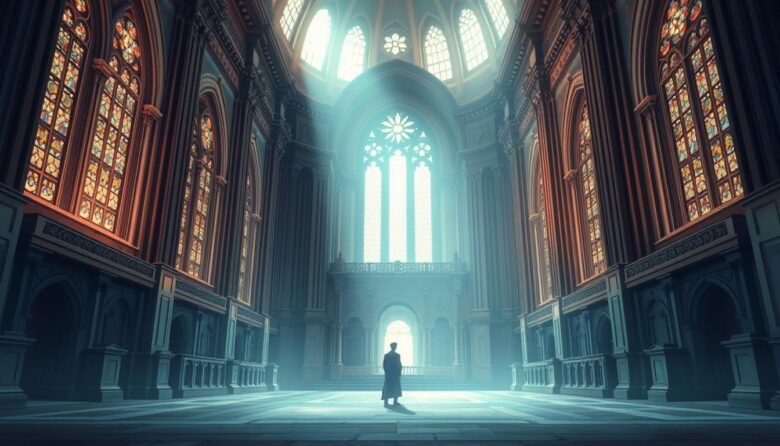
Welcome to the fascinating world where visual artistry meets narrative power. Every color choice, prop placement, and spatial arrangement works together to create emotional experiences that resonate deeply with audiences.
The craft behind creating a film’s visual world stands as one of filmmaking’s most powerful storytelling tools. It transforms written scripts into immersive environments that communicate meaning far beyond dialogue.
This visual language operates on both conscious and subconscious levels. It uses visual metaphors and carefully crafted spaces to convey character psychology, thematic depth, and emotional truth.
The atmosphere established through these artistic choices influences how viewers feel about every moment on screen. This guide explores how creators harness art, architecture, and psychology to build worlds that don’t just house stories—they elevate them.
Understanding these principles will transform how you experience your favorite films and shows. We will uncover how intentional choices create the emotional foundation that makes stories unforgettable.
Introduction to Visual Storytelling Through Production Design
Behind every memorable film or television show lies a powerful visual foundation that speaks directly to our emotions. This creative discipline blends artistic vision with architectural principles to build complete environments that support the narrative.
These visual choices work together to create a language that communicates without words. The arrangement of spaces, selection of colors, and placement of objects all contribute to the overall effect.
Defining Production Design and Its Impact on Storytelling
This field represents the intersection where art meets architecture to serve narrative needs. Professionals in this role develop comprehensive concepts that transform scripts into tangible spaces viewers can believe in.
The power of this visual approach lies in its ability to communicate character history, social context, and emotional states through purely environmental means. A room’s contents can reveal personality traits, while color schemes can signal psychological conditions.
The Role of Set Tone in Shaping Audience Emotion
The emotional atmosphere emerges from all visual elements working together. Lighting temperature, spatial arrangements, and prop density combine to create specific feelings in viewers.
These intentional choices ensure audiences become fully immersed in the story being told. Understanding these fundamentals helps appreciate how visual components shape our emotional journey through each scene.
The role extends beyond surface beauty to include psychological guidance. Visual cues prepare viewers emotionally for story developments before they consciously recognize what’s happening.
Production Design: The Intersection of Art, Architecture, and Narrative
The magic of filmmaking emerges when multiple creative fields converge to build believable worlds that audiences can inhabit emotionally. This interdisciplinary approach draws from architecture, fine arts, and theatrical traditions to create cohesive visual experiences.
Professionals in this field develop comprehensive concepts that transform written stories into tangible spaces. They consider how people move through environments and how spatial relationships affect emotional responses.
Using Space, Lines, Colors, and Patterns
Space manipulation stands as one of the most powerful tools available. Vertical arrangements can make characters feel small, while horizontal expanses suggest freedom or isolation. The scale relationships between people and their surroundings create immediate psychological impact.
Lines direct viewer attention and establish emotional undercurrents. Horizontal lines suggest stability, while diagonal ones create dynamic energy. Curved lines feel organic and comforting, guiding the eye naturally through each scene.
Color and pattern work together to establish visual rhythm throughout movies. Repeated motifs create subconscious connections between different scenes. These fundamental building blocks help form distinct visual languages for each story’s needs.
Creative professionals from diverse backgrounds bring unique perspectives to this work. Their combined expertise enriches the visual storytelling palette available to filmmakers working across various genres and settings.
production design, symbolism, set tone
Great cinematic experiences are built on a powerful foundation. This foundation connects artistic choices with audience feelings. It creates layers of meaning that make a story truly memorable.
Visual metaphors are key. A character surrounded by clutter might feel trapped. An open doorway can signal new beginnings. These choices reveal inner thoughts without a single word.
The emotional atmosphere comes from every detail working together. Lighting, colors, and object placement build a specific feeling. This mood prepares viewers for what happens next in the film.
Artists carefully build these elements to support the journey. A space might grow darker as a hero faces challenges. It brightens as they find hope. This visual language communicates deep psychological states.
Understanding this process reveals why some movies feel so powerful. It shows how creators build worlds that audiences feel, not just see. This integrated approach separates good filmmaking from great art.
The Production Designer’s Role in Crafting Emotion
Behind the camera but central to the visual experience, one professional bridges the gap between script and screen. This creative leader holds ultimate responsibility for everything viewers see in a movie or television show.
Essential Skills and Creative Communication
A successful production designer needs diverse abilities. They must visualize concepts, conduct thorough research, and think both creatively and critically. Strong communication stands as their most vital tool.
These artists translate written words into comprehensive visual strategies. They develop color palettes, architectural styles, and period details that support the story. Their work encompasses every visual element that appears on camera.
Collaboration with Directors, Producers, and Art Departments
The production designer works closely with directors to understand their vision. They collaborate with producers to respect budget constraints. Cinematographers rely on them to ensure environments photograph effectively.
During pre-production, these professionals generate detailed breakdowns and budgets. They present concepts, scout locations, and coordinate with various department heads. Their leadership ensures all visual elements work together harmoniously.
Good visual storytelling depends on clear communication across the entire team. The production designer articulates concepts, translates abstract ideas, and maintains a unified vision throughout the creative process.
The Power of Color Psychology in Set Design
The strategic application of color creates immediate emotional responses that shape how audiences experience stories. This psychological tool operates on a subconscious level, influencing how viewers feel about characters and situations.
Understanding Color Theory in Film and TV
Color theory provides a framework for understanding how different hues affect human psychology. Each color carries specific associations that filmmakers leverage to guide audience perception.
Red often signals passion, danger, or intensity. Blue creates feelings of calmness or sadness. Green can represent nature, renewal, or sometimes envy. Yellow brings optimism but can also suggest caution.
Color as a Narrative and Emotional Tool
In the movie The Matrix, green tones create a digital, artificial atmosphere. This color choice helps distinguish the virtual world from reality. It’s a brilliant example of environmental storytelling.
Breaking Bad uses wardrobe colors to show character transformation. Walter White’s clothing shifts from light to dark as his morality changes. This visual progression reinforces his journey.
Schindler’s List uses a red coat in a black-and-white world to highlight individual suffering. The Handmaid’s Tale uses red and white to underscore themes of control and identity.
These applications show how color becomes part of the narrative itself. It communicates meaning beyond what dialogue can express.
Set Design Techniques for Creating Immersive Environments
The art of creating believable environments on screen involves meticulous attention to every visible detail. Professionals use specific methods to transform empty spaces into living worlds that audiences can emotionally connect with.
These techniques ensure every element supports the story while creating visual appeal. The goal is to build spaces that feel authentic and emotionally resonant.
Selecting Props, Lighting, and Textures
Choosing the right props involves more than finding period-appropriate items. Each object should reveal character traits or advance the narrative. Worn furniture suggests different lifestyles than carefully curated collections.
Lighting elements work with the environment to establish mood and direct attention. Practical lights like lamps become part of the decoration while influencing the overall atmosphere.
Texture selection adds psychological depth to spaces. Rough surfaces create gritty realism, while smooth finishes suggest modernity. Layered textures provide visual richness that rewards close observation.
Set decoration, often called “set dec,” involves dressing spaces with authentic details. This includes everything from books on shelves to dishes in sinks. The French concept of mise-en-scène encompasses all visual elements placed before the camera.
Creating immersive environments requires considering how space will be photographed. Designers ensure adequate depth for interesting compositions. Backgrounds should complement rather than distract from foreground action.
Designing Across Media: Film, Television, and Commercials
A creator’s toolkit must be flexible. The visual approach for a project changes dramatically depending on its final destination. A feature film, a TV series, and a commercial each have unique demands.
Understanding these differences is key to effective visual storytelling. The budget, schedule, and goals are never the same.
Distinct Approaches for Different Storytelling Platforms
Creating for a major motion picture often allows for extensive world-building. There is usually more time and money to craft intricate, detailed environments. These worlds must hold up under the scrutiny of a big screen.
Television work moves much faster. A production designer must create spaces that can be used for multiple episodes. Versatility and durability become top priorities.
Commercial video is all about brand identity. Every choice, from colors to props, must reinforce the client’s message. The designer integrates logos and brand colors subtly into the background and wardrobe.
Corporate content requires a balance of professionalism and approachability. The environment should feel credible but not cold. The lighting must be flattering for on-camera talent.
Music video projects offer more creative freedom. They prioritize artistic expression and visual impact, often bending the rules of realism.
Despite these varied approaches, the core principle remains: every visual element must serve the story and connect with the audience.
Real-World Applications and Case Studies in Production Design
Case studies from various media platforms demonstrate the practical implementation of artistic vision. These real-world examples show how abstract principles become compelling visual narratives that audiences connect with.
Examples from Film, Music Videos, and Broadcast Ads
The Global X ETFs commercial shows strategic brand integration. The creative team incorporated orange and blue colors throughout the visual elements. X symbols appeared in furniture selection and wardrobe choices.
This large-scale effort required multiple locations and special transportation. It demonstrates the logistical complexity behind cohesive visual branding.
The Wyoming Lottery advertisement created a funky 80’s Western theme. Everything from shoot locations to costumes captured a distinct era. This approach resulted in memorable commercial content.
Music video work often showcases resourceful creativity. For “Oceanic” by We Are William, the artistic team used found objects from a warehouse location. They enhanced these with custom props like silky red robes.
Iconic films provide lasting examples of effective visual storytelling. The Matrix used green hues to create a digital atmosphere. Mad Max: Fury Road employed vibrant oranges and blues for desert intensity.
La La Land demonstrates adaptive color choices that shift with scene mood. These examples prove that thoughtful visual planning elevates any project. Regardless of budget or timeline, cohesive artistic vision creates lasting impressions.
Bringing It All Together: Crafting Visual Emotion That Resonates
Great stories live on long after the screen fades to black. They stick with us because of the feelings they create. This emotional power often comes from the world built around the characters.
Every choice, from the colors on the walls to the objects in a room, adds layers of meaning. These elements work together to build a complete experience for the viewer. They turn a simple script into a living, breathing universe.
This guide has shown how these artistic decisions shape our connection to the narrative. The careful work behind the scenes makes stories feel real and impactful. It’s a craft that blends creativity with deep psychological insight.
Next time you watch a movie or show, look closer. Notice how the environment influences the mood. You might discover a whole new layer to the story being told.