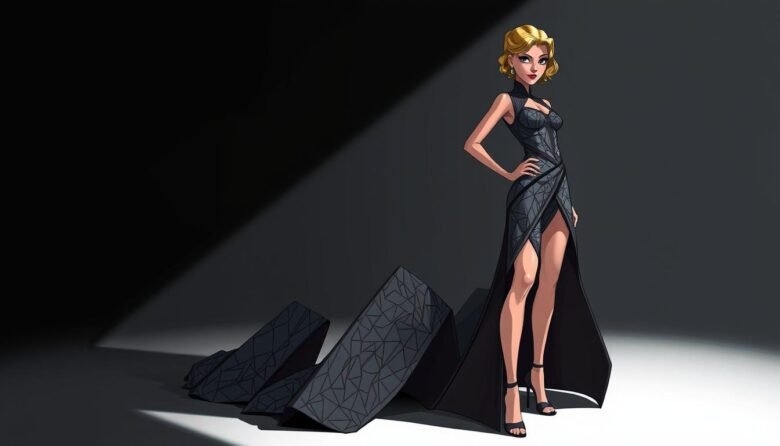
Have you ever been so moved by a character’s journey that it stayed with you long after the show ended? That powerful connection often starts with what the characters wear. Wardrobe is far more than just clothing.
It is a silent language that speaks volumes. Every fabric choice and color has a purpose. These elements work together to build a character’s identity and world.
This art form brings characters to life. It helps actors step into their roles, whether on stage or screen. The right outfit can signal a character’s past, their status, or their inner feelings.
Talented designers work behind the scenes. They use their skills to create immersive experiences. Their careful work guides how we feel and react to the story unfolding before us.
This introduction explores how costume choices become powerful emotional tools. We will see how a simple garment can shape an entire narrative and touch our hearts.
The Evolution and Artistry of Costume Design
Fashion from bygone eras offers a window into the soul of a story. The choices made by designers are deeply rooted in the history they explore. This connection to the past is essential for building believable worlds.
Historical Influences on Wardrobe Trends
Creating for a specific period demands meticulous research. Costume designers study old photographs, paintings, and textiles. They learn about the social rules that governed clothing in another time. This knowledge ensures every garment feels authentic.
This art goes beyond simple imitation. It’s about capturing the spirit of an era. The right silhouette or fabric choice can instantly transport an audience.
Cultural Impact on Style and Narrative
Culture shapes how people dress across the globe. A character’s attire can reflect their heritage, beliefs, and community. This adds rich layers of meaning to their persona.
By understanding diverse traditions, creators build more inclusive and resonant narratives. The fusion of different fashion influences can create something entirely new. This process celebrates the diversity of human expression.
Ultimately, this careful work honors the past while telling powerful stories for today.
Behind the Scenes: Crafting Emotion Through Wardrobe
The real magic of performance begins long before the curtain rises or the camera rolls. Backstage, a dedicated team of artists works tirelessly to transform actors into their characters. This process turns ordinary clothing into powerful emotional tools.
The Magic of Transformation on Stage and Screen
The first fitting marks a crucial moment in any production. Here, performers meet their wardrobe for the first time. This intimate collaboration helps them discover their character’s physicality and emotional core.
Talented professionals pay attention to every small detail. They consider how garments move and feel on the actor. This careful work ensures each piece supports the performer’s journey.
Whether for intimate stage shows or large screen productions, the approach remains consistent. The goal is always to help actors fully embody their roles. This allows them to bring their characters to life with authenticity.
The right wardrobe can unlock new performance possibilities. It helps artists access different parts of themselves. This transformation goes beyond appearance to touch the very soul of the character.
Elevating Narratives through Costume Design, Visual Storytelling
What if a simple color choice could change how you feel about an entire scene? Wardrobe in productions communicates volumes without dialogue. It reveals personality, status, and emotional states instantly.
This silent language helps build believable worlds. Each garment offers clues about the person wearing it.
Integrating Color, Texture, and Style for Mood
Color palettes create immediate emotional responses. Stark white outfits in “A Clockwork Orange” feel sterile and controlled. Vibrant hues in “Romeo + Juliet” burst with youthful passion.
Texture choices add depth to character development. Luxurious silks suggest wealth and refinement. Worn leather tells stories of hardship and resilience.
Style evolution tracks personal journeys throughout a story. The Joker’s purple suit in “The Dark Knight” symbolizes chaos. These changes reflect internal transformations.
Creative approaches include developing distinct style tribes for background characters. This technique builds authentic communities within the narrative. It makes fictional worlds feel lived-in and real.
Effective wardrobe choices operate on multiple levels simultaneously. They provide visual appeal while communicating essential information. This integration creates memorable imagery that stays with viewers.
Collaborative Dynamics in Costume Design
The most authentic costumes emerge not from solitary genius but from the symphony of collaboration between diverse creative minds. This artistic process brings together designers, directors, and actors in a shared creative journey.
Partnering with Directors and Actors
Costume designers work closely with directors to understand their overall vision for each character. They attend concept meetings and present mood boards to ensure alignment. This partnership allows designers to contribute their specialized expertise while serving the director’s artistic direction.
The relationship with actors is equally important. During fittings, performers discover how their character moves and expresses personality through clothing. Designers create safe spaces where actors feel confident exploring their roles.
Fostering Creative Teamwork
Successful costume creation requires exceptional communication skills across different production environments. In film projects, the director often leads the creative vision. The fashion world typically involves more egalitarian teamwork.
This collaborative work extends to the entire production team. Costume professionals coordinate with lighting experts and set designers to ensure visual harmony. Their collective effort creates memorable storytelling moments that resonate with audiences.
Navigating Challenges in Wardrobe and Production
Behind every stunning period wardrobe on screen lies a complex balancing act between historical authenticity and practical filmmaking demands. This process requires careful attention to detail while navigating real-world constraints.
Balancing Historical Accuracy with Creative Vision
Creating authentic period clothes involves meticulous research into the target era. Designers study historical documents and fashion archives to understand how people dressed.
Paco Delgado faced a unique challenge in “The Danish Girl,” needing 1920s authenticity while accommodating a character’s gender transformation. Colleen Atwood’s work on “Memoirs of a Geisha” required understanding traditional kimono complexities.
These professionals must honor historical accuracy while serving the narrative needs of modern films.
Resourcefulness Amid Budget and Environmental Constraints
Budget limitations significantly impact wardrobe creation. Big productions like “The Great Gatsby” featured lavish period clothes reflecting 1920s opulence.
Smaller films demand greater resourcefulness from their creative teams. Designers find innovative ways to achieve stunning results with limited funds.
Environmental factors like extreme temperatures or challenging locations add another layer of complexity. The wardrobe must look authentic while ensuring actor comfort and safety.
This constant problem-solving demonstrates the remarkable adaptability required in film production.
Final Reflections on Costume’s Role in Storytelling
Certain outfits from movies and TV shows become icons, living far beyond the screen. Think of Dorothy’s gingham dress or Audrey Hepburn’s little black dress. These looks are etched into our shared memory.
Shows like Euphoria show this power. Their style influences fashion trends and inspires creators everywhere. This cultural impact is a testament to the art and dedication involved.
Looking ahead, the role of wardrobe experts is evolving. New opportunities, like costume producing, focus on mentoring talent and overseeing large projects. This ensures the craft continues to grow.
Ultimately, the impact of clothing in story is profound. It builds character personality and forges deep emotional bonds with the audience. This powerful art form remains essential to creating memorable productions.