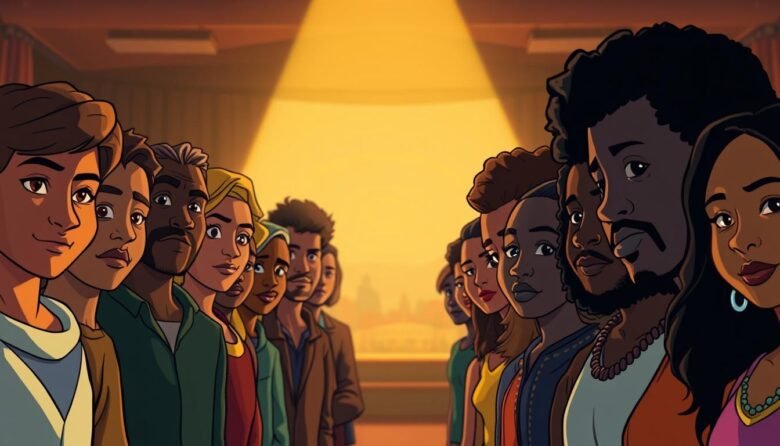
Have you ever watched a film or play that felt truly real? The characters seemed to breathe and exist beyond the screen or stage. Often, this powerful feeling comes from thoughtful casting choices. When a production’s cast reflects the rich tapestry of our world, the stories gain immense power.
This approach moves beyond simple checkboxes. It’s about building authentic narratives that audiences can connect with on a deeper level. These stories validate experiences and promote a greater understanding among different communities.
The result is a stronger dramatic impact that resonates with viewers everywhere. This shift in the entertainment landscape is creating both cultural and commercial benefits. Productions can tap into wider markets by appealing to broader audiences eager to see themselves represented.
This guide will explore how this modern approach to building a cast creates more powerful and meaningful art. We’ll look at practical strategies and inspirational examples that bring genuine perspectives to life.
The Evolution of Inclusive Casting in Today’s Film and Theatre
From the early days of cinema to today’s productions, the approach to building casts has evolved significantly. The entertainment industry has come a long way in how it portrays different communities.
Shifting trends in representation and storytelling
Early Hollywood often limited opportunities for many groups. Actors from various backgrounds found themselves in narrow roles. Women frequently played one-dimensional parts.
The civil rights movement sparked important changes. Filmmakers began addressing racial issues more directly. This shift created space for authentic stories to emerge.
Historical context from early cinema to modern productions
Pioneering directors broke new ground in the 1980s and 90s. Spike Lee and John Singleton brought fresh perspectives to mainstream cinema. Their work opened doors for future generations.
Key milestones mark this progressive journey. Halle Berry’s 2002 Oscar win made history. Films like “Black Panther” and “Moonlight” achieved both critical and commercial success.
Progress has been gradual but meaningful. Each generation builds upon previous achievements. The industry continues moving toward more equitable practices.
Deep Dive: casting choices, representation, diversity
Modern audiences crave more than just entertainment—they seek validation and recognition through media portrayals. This deeper connection transforms watching from passive consumption to meaningful engagement.
Understanding the key components and their impact on audiences
Authentic storytelling goes beyond surface-level inclusion. It involves honoring the true lived experiences of different groups in society. Characters feel genuine rather than stereotypical when their identities are respected.
Films like “Coco” and “Moana” demonstrate how cultural authenticity creates powerful connections. These stories allow people to see their heritage celebrated on screen. The impact extends beyond entertainment to personal validation.
Proper representation shapes societal attitudes and challenges prejudices. When individuals from marginalized communities see positive portrayals, it counters negative stereotypes. This fosters greater understanding between different groups.
Successful productions prove that diverse narratives achieve both critical acclaim and commercial success. Movies like “Wonder Woman” and “Slumdog Millionaire” reached wide audiences by telling authentic stories. They created richer characters that resonated globally.
The Impact of Inclusive Storytelling on Dramatic Expression
When stories reflect the true spectrum of human experience, they gain a special kind of power. This approach transforms how audiences connect with what they see on screen. The emotional weight becomes more genuine and impactful.
Authentic narratives that resonate with diverse communities
Authentic storytelling captures the complexity of real life. It moves beyond simple stereotypes to show multidimensional characters. These narratives ring true because they honor genuine experiences.
People from various backgrounds see their realities reflected honestly. This validation creates deep emotional connections. The story becomes more than entertainment—it becomes recognition.
How inclusive casting fosters empathy and broadens perspectives
Seeing different lives portrayed on screen helps audiences understand unfamiliar perspectives. This exposure builds bridges between communities. It challenges preconceived notions in a powerful way.
Inclusive approaches create opportunities for underrepresented voices. When more people participate in creative decisions, the results feel more authentic. The entire industry benefits from these fresh perspectives.
This method helps artists from minority groups build meaningful careers. Their success inspires others to share their unique stories. The creative landscape becomes richer for everyone.
Strategies for Inclusive Casting in Film and Theatre
Putting together a great cast requires more than just posting audition notices. Thoughtful planning makes the entire process more effective and authentic.
Successful productions begin with smart outreach. Look beyond usual social media channels to find fresh talent.
Innovative outreach and breaking typecasting norms
Connect with creative agencies that work with underrepresented communities. Partner with nonprofits serving marginalized groups.
Advertising should clearly communicate your commitment to equitable practices. This attracts performers who value authentic storytelling.
Challenge traditional assumptions about character appearances. Ask whether specific physical traits are truly essential to each part.
Focus on an actor’s ability to embody the role’s essence. This approach often reveals unexpected perfect matches.
Creating a welcoming environment for diverse talent
Establish clear anti-discrimination policies before auditions begin. Make these commitments visible on your production website.
Build trust through open communication with all performers. Take time to understand different perspectives and experiences.
Include varied voices in your production team. Different viewpoints lead to better casting decisions.
Allocate extra resources for thorough talent searches. The extra effort pays off in richer, more authentic performances.
These practices create productions that truly reflect our diverse world. They give talented actors from all backgrounds opportunities to shine.
Navigating Industry Barriers and Overcoming Bias
Systemic challenges in Hollywood and theatre continue to influence which voices audiences hear and see. These obstacles affect every part of the creative process.
Addressing systemic challenges and unconscious biases
Deep-rooted prejudices often shape casting decisions without people realizing it. This affects who gets opportunities in the industry.
Many talented individuals face a lack of access to education and mentorship. This creates cycles where the same types of stories get told.
Financial models sometimes prioritize “safe” choices over innovative content. This resistance to change limits fresh perspectives.
Gender balance remains uneven in key roles like directing. LGBTQ+ characters sometimes fall into stereotypical portrayals.
Unconscious bias represents assumptions we absorb from various sources. These can influence a director’s choices without their awareness.
Casting directors can implement new practices to counter these barriers. Taking time to evaluate current methods helps identify bias.
Overcoming these challenges enriches the art form for everyone. It opens doors to stories that resonate more deeply with audiences.
Celebrating Success Stories in Diverse Productions
The entertainment landscape is being reshaped by productions that champion authentic storytelling. These projects prove that inclusive approaches lead to critical and commercial success.
Case studies from groundbreaking films and theatre projects
Sean Baker’s “Tangerine” featured transgender actresses in lead roles, bringing genuine authenticity to the screen. This film sparked important conversations about identity in media.
“A Fantastic Woman” made history with Daniela Vega’s Oscar presentation. The film’s impact extended beyond entertainment, influencing policy changes in Chilean society.
Jordan Peele’s “Get Out” blended horror with social commentary about racism. This innovative approach revitalized an entire genre while resonating with audiences.
Inspiring examples of directors and casting directors pioneering change
Chloé Zhao’s “The Rider” used non-professional actors playing versions of themselves. This method created authentic portrayals of Native American life.
Netflix’s “Bridgerton” features Kelly Valentine Hendry’s work building an inclusive cast. The show reimagines period drama with actors from various backgrounds.
These success stories demonstrate that authentic productions create richer, more compelling art. They serve as blueprints for future projects across the industry.
Embracing the Future of Inclusive Productions
The future of compelling storytelling lies in embracing the full spectrum of human experiences through thoughtful production decisions. This approach creates media that truly reflects our complex world.
Meaningful change requires ongoing dedication rather than quick fixes. The industry benefits when all individuals can contribute their unique perspectives. This creates richer narratives that engage wider audiences.
Every production team plays a vital role in this transformation. Your commitment to inclusion helps build a more equitable entertainment landscape. Together, we can ensure all talent finds meaningful opportunities to shine.