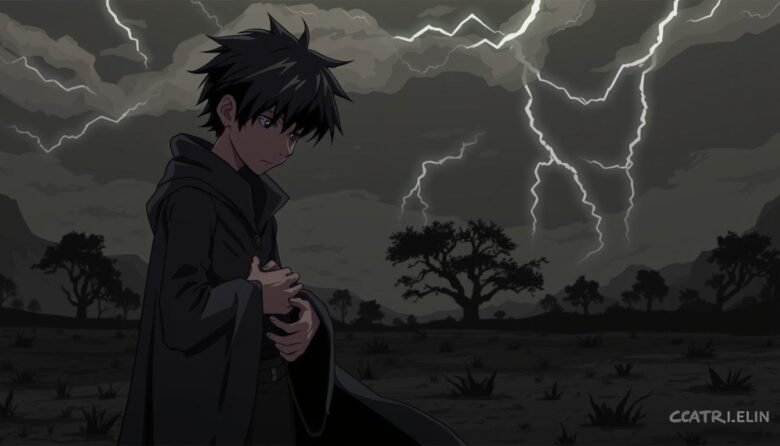
Welcome, writers and storytellers! If you want to create figures that feel truly human, understanding emotional depth is essential. Many authors struggle with making their creations relatable on a deep level.
This guide explores why powerful emotional experiences can transform flat figures into memorable personalities. When characters face significant loss, their journey becomes more authentic and resonant.
Crafting genuine emotional landscapes requires courage. You must tap into personal experiences to build believable transformations. This process brings universal human qualities to your narrative.
Emotional complexity drives plot, reveals personality, and creates meaningful change. We’ll explore psychological foundations and practical techniques to elevate your dramatic writing.
Key Takeaways
- Grief transforms characters from flat figures into relatable human beings
- Emotional depth creates authenticity that resonates with audiences
- Writing genuine emotional experiences requires personal courage
- Complex emotions drive plot development and character revelation
- Universal human qualities make stories more accessible to readers
- Practical techniques can help implement emotional complexity effectively
- Both new and experienced writers can benefit from emotional storytelling
Understanding the Role of Grief in Character Evolution
The most memorable fictional figures often emerge from periods of intense emotional experience. When a person faces significant loss, their entire worldview can shift dramatically.
Exploring the Impact of Loss on Identity
Loss can shake the very foundation of someone’s identity. When a protagonist loses something integral to their sense of self, the resulting emotions create powerful transformation.
This psychological process reshapes how they interact with the world. The journey through these stages of grief reveals deep truths about human nature.
The Psychological Stages of Grief in Drama
John Bowlby’s framework provides valuable insight into emotional progression. His four stages of grief offer a roadmap for authentic character development.
The initial shock and numbness phase shows immediate reaction to trauma. Characters then enter a period of yearning and searching for what’s lost.
Disorganization and despair mark the midpoint of this emotional arc. Finally, reorganization allows for integration of the experience.
Understanding these stages of emotional response helps writers craft believable transformations over time. The psychology behind grief provides tools for creating resonant narratives.
Integrating Grief into Your Story Arc
When crafting emotional narratives, drawing from authentic sources can transform your storytelling. Your story arc gains depth when emotions feel genuine and earned.
Writing about deep emotions requires the author to fully embrace those feelings. This emotional investment becomes a crucial part of creating believable journeys.
Using Personal Experiences to Create Authentic Emotion
Your own challenging moments can help readers connect with your narrative. Even difficult experiences can bring healing when shared through fiction.
You don’t need identical life events to portray emotions truthfully. A personal setback can provide the emotional truth needed for various types of loss.
Driving Plot Development Through Character Loss
Significant loss should propel the narrative forward, not halt it. The pain of losing a loved one or facing death creates momentum.
When your protagonist makes mistakes during this process, they find a new way forward. Healing from trauma shapes their journey in meaningful ways.
These emotional challenges remind both your characters and readers about life’s important lessons.
Implementing “grief, recovery, character development” in Your Writing
The most powerful transformations happen when readers witness loss firsthand. Placing tragedy directly before your audience creates immediate emotional investment.
This shared experience builds connection from the very beginning of the journey.
Bringing Empathy and Healing to Your Narrative
Study how successful stories handle emotional turning points. In “The Good Dinosaur,” the young protagonist’s father dies right before his eyes.
This moment sends him down a path that shapes his entire story arc. The event’s timing creates maximum impact for the audience.
Show your character’s struggle through subtle actions rather than explanations. Small behaviors reveal deep pain without heavy dialogue.
How a person copes with each stage shows their true nature. Some might party excessively while others bury themselves in work.
The duration of emotional states matters tremendously. Depression lasting years rather than weeks demonstrates profound impact.
When time is consumed by difficult emotions, people accumulate baggage that becomes part of their healing process.
Different personalities move through emotional stages at unique paces. This creates psychological profiles that feel authentic to readers.
The moment of loss is just the beginning. True strength emerges during the long, non-linear journey toward healing.
Crafting Unique Reactions to Grief
The way your fictional figures handle emotional pain defines their authenticity. Individual responses to loss create powerful storytelling moments that readers remember.
When planning your narrative, consider how different personalities process difficult emotions. Some people withdraw completely while others become hyper-active.
Tailoring Character Responses and Coping Mechanisms
Think about the specific ways your protagonist deals with pain. Do they turn to unhealthy habits or throw themselves into work?
These choices reveal their psychological state without needing explanation. Bad coping mechanisms show deeper struggles than words ever could.
Consider how side characters interact with your grieving main figure. Does your hero accept help or stubbornly refuse support?
This dynamic creates natural tension and growth opportunities. Intervention moments can break denial and force progress.
Balancing Individual Traits With Societal Expectations
Cultural background shapes how people express emotions. A man in traditional society might show anger instead of sadness.
These societal pressures add depth to your character’s journey. The conflict between personal feelings and external expectations creates compelling drama.
Remember that each person moves through emotional stages differently. Their unique path makes the story authentic and relatable to readers.
Practical Tips for Writing Authentic Grief Scenes
Let’s explore practical approaches to crafting genuine emotional moments in your storytelling. These tips help create scenes that resonate deeply with your audience.
Drawing from personal experiences gives your writing emotional truth. Even small losses in your own life can inform how you portray larger ones in fiction.
Incorporating Real-Life Insights and Personal Reflections
Empathy is your most powerful tool for authentic emotional writing. Put yourself in your protagonist’s shoes to capture their pain accurately.
One successful author channeled feelings from a painful breakup to write about losing a loved one. The situations differed but the core emotions translated effectively.
Readers appreciate closure after difficult scenes. Showing growth after pain creates satisfying story arcs that feel true to life.
Use specific sensory details rather than grand gestures. Show the small moments that reveal deep emotion through behavior.
Balance darkness with glimpses of strength. Even in pain, people find resources and moments of light.
Consider the pacing of emotional processing in your narrative. Time jumps can show long-term changes while intense scenes capture immediate reactions.
A Heartfelt Send-off: Reflections on Growth and Renewal
Crafting a powerful story arc is a journey that transforms both the writer and the reader. When your protagonist faces deep loss, their path through anger and sadness reveals true strength.
A story that finds a meaningful end to hardship empowers people. It shows that even in tough times, we can find a way forward. This process is like rewriting an internal script.
Your character’s reaction to trauma changes them forever. They might not return to their old life or home. But their spirit grows, carrying scars that tell a story of resilience.
Thank you for using your emotional resources to write with such honesty. Your work helps people process their own experiences. It gives them a new perspective on difficult situations.
Remember, the goal is not to erase the past. It’s about integrating the experience into a renewed sense of purpose. Your writing has the power to offer comfort and hope.